Visiting the Great Barrier Reef is one of the highlights of any holiday to Cairns or Tropical North Queensland. However, with so many different reef cruises available, choosing the right one can sometimes be a little confusing.
There are large catamarans, high-speed adventure boats, island cruises, outer reef pontoons, dedicated snorkelling trips and multi-day diving expeditions. Some tours are designed for experienced divers, while others cater for families, non-swimmers and visitors who simply want to enjoy the beauty of the reef without getting wet.
The good news is that there really is a Great Barrier Reef cruise to suit almost everyone. The trick is knowing what each type of cruise offers and deciding which experience is right for you.
We can basically divide most Great Barrier Reef day cruises departing from Cairns and the surrounding region into three main categories:
- Island Cruises
- Dive and Snorkel Cruises
- Outer Reef Pontoon Cruises
Some tours combine two of these experiences, offering visitors the opportunity to enjoy an island visit before continuing to an outer reef location.
Let’s take a closer look at each option.
1. Island Cruises – Great for Families and Non-Swimmers
Island cruises are a fantastic option for visitors who want to experience the Great Barrier Reef but don’t necessarily want to spend the entire day in the water.
These cruises visit one of the beautiful tropical islands or coral cays located along the Great Barrier Reef. Depending on the destination, you might spend the entire day exploring the island or visit as part of a longer cruise that includes an outer reef location.
The most popular island destinations from Cairns include Green Island and Fitzroy Island, although there are also some wonderful alternatives such as the Frankland Islands and Low Isles, which are accessed from different departure locations.
One of the biggest advantages of an island cruise is the variety of activities available. You can enjoy white sandy beaches, explore rainforest walking tracks, relax under the palm trees or simply take in the beautiful tropical scenery.
For visitors who don’t want to swim or snorkel, many island cruises offer additional activities such as:
- Glass bottom boat tours to view coral and marine life.
- Semi-submarine tours with underwater viewing windows.
- Guided island walks and rainforest trails.
- Wildlife attractions and educational experiences.
- Relaxing on sandy beaches and enjoying the tropical surroundings.
Why Island Cruises Are Good for Non-Swimmers
Island cruises are often one of the best choices for non-swimmers and first-time snorkellers.
Unlike many dedicated outer reef cruises, where you enter the water directly from the boat into deeper ocean water, island snorkelling usually begins from the beach.
This makes it easier to enter the water gradually and become comfortable with your snorkelling equipment. You can start in shallow water and venture further out as your confidence improves.
Most operators provide flotation equipment such as life jackets, snorkelling vests and pool noodles to help less confident swimmers stay afloat.
Of course, conditions can vary, and you should always follow the crew’s safety instructions and remain within designated swimming areas.
For families travelling with young children or grandparents who may prefer to stay dry, an island cruise offers plenty of alternatives to snorkelling.
Which Islands Should You Consider?
Green Island
Green Island is a beautiful tropical coral cay surrounded by reef and rainforest. It’s particularly popular with families and visitors who want a combination of beach time, snorkelling and dry activities. Glass bottom boats and semi-submarine experiences are available on selected cruises.
Fitzroy Island
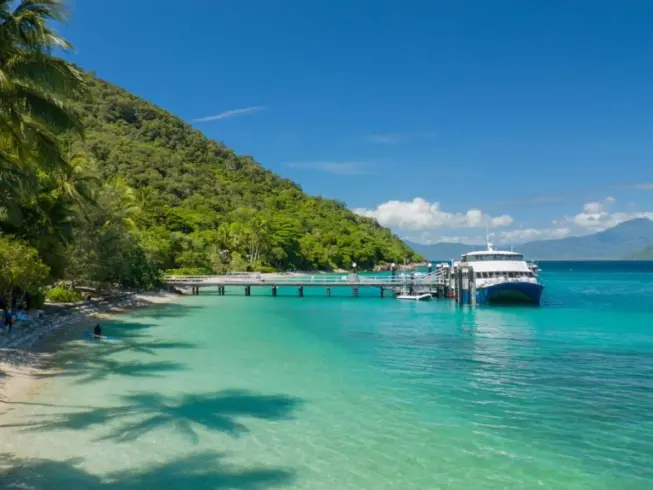
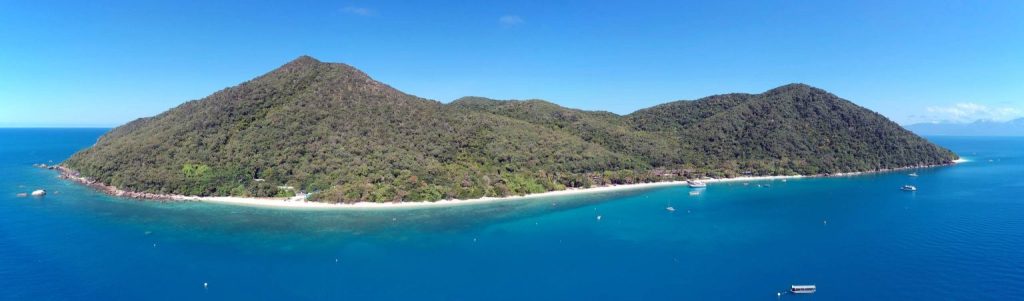
Fitzroy Island is larger and more rugged, with beautiful walking tracks, rainforest, spectacular coastal scenery and several beaches. Nudey Beach is particularly popular. It’s a great choice for visitors who enjoy exploring as well as swimming and snorkelling.
Frankland Islands
The Frankland Islands offer a more secluded island experience, with smaller visitor numbers and beautiful surrounding coral reefs. These trips are particularly appealing to visitors looking for a quieter day away from the busier tourist locations.
Low Isles
Located off Port Douglas, Low Isles is a beautiful coral cay surrounded by shallow reef and turquoise water. It’s a wonderful destination for snorkelling, sailing and exploring the reef environment.
2. Dive and Snorkel Cruises – For the Best Underwater Experience
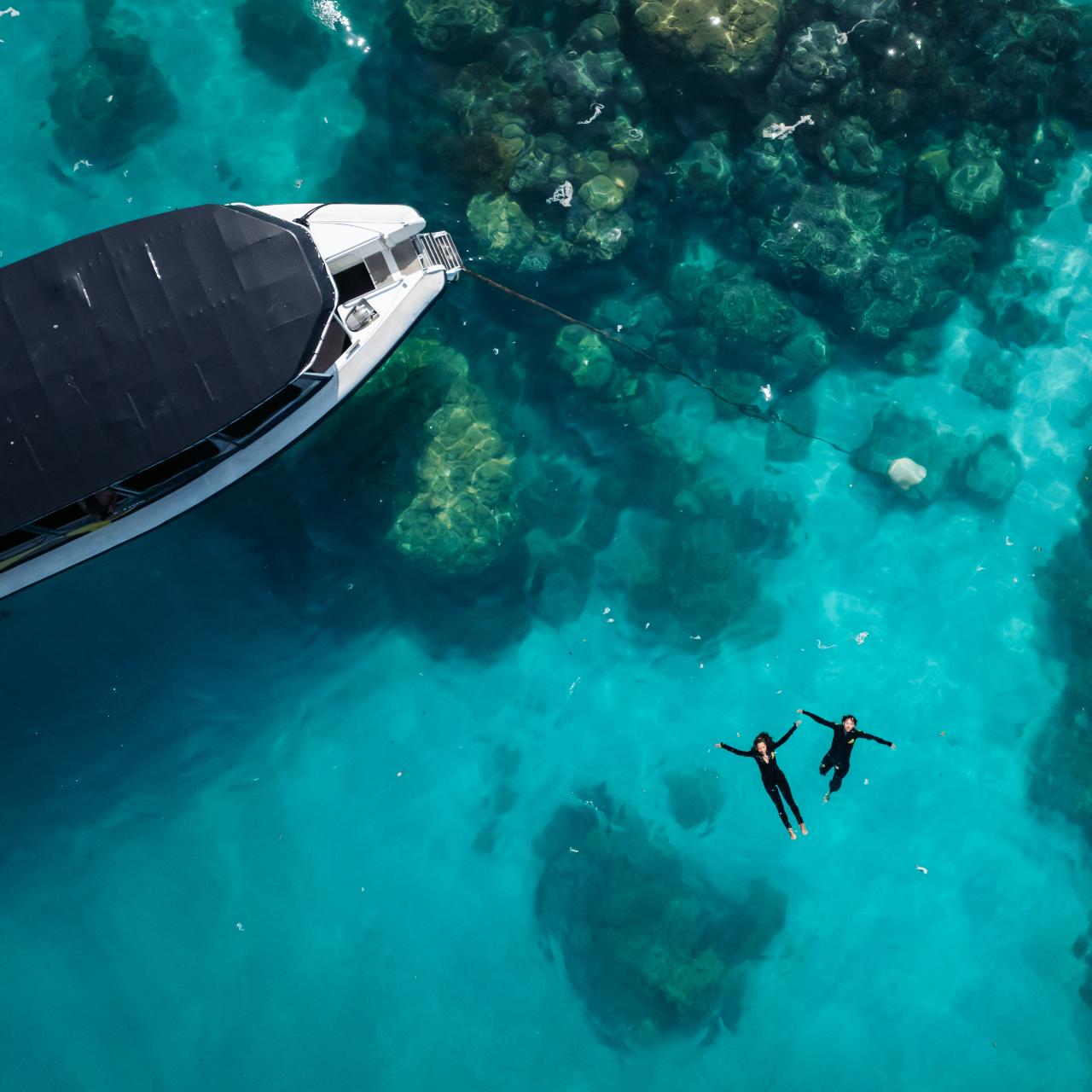
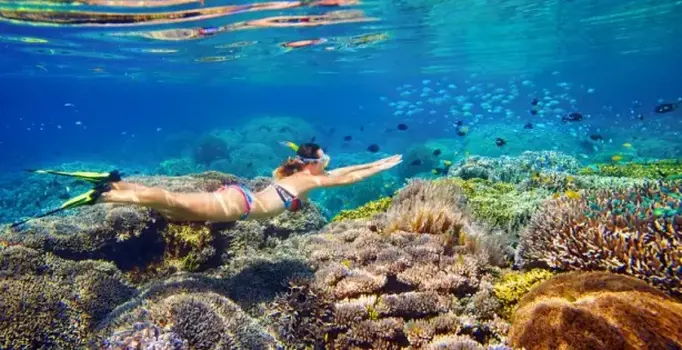
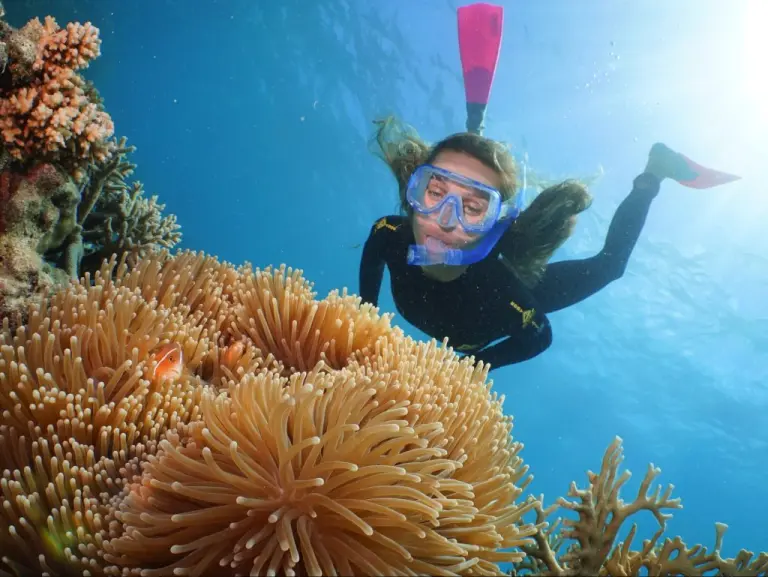
If your main reason for visiting the Great Barrier Reef is to see coral, tropical fish, turtles and other marine life, a dedicated dive and snorkel cruise could be your best option.
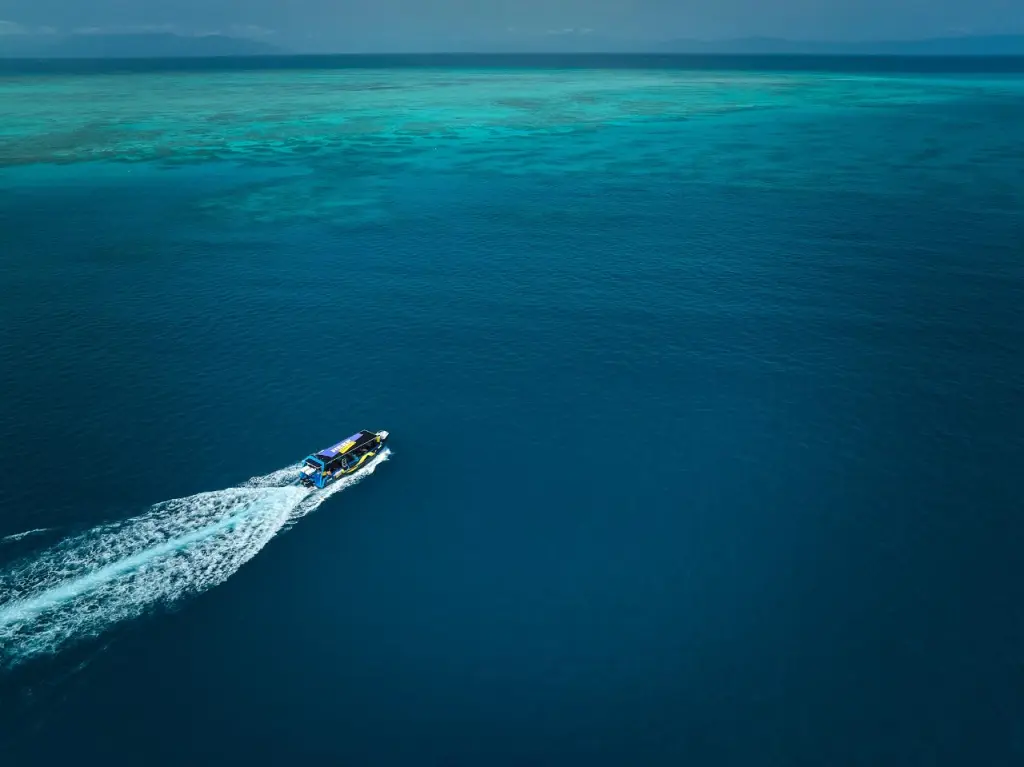
These cruises generally travel directly from Cairns to selected outer reef locations without visiting an island or pontoon.
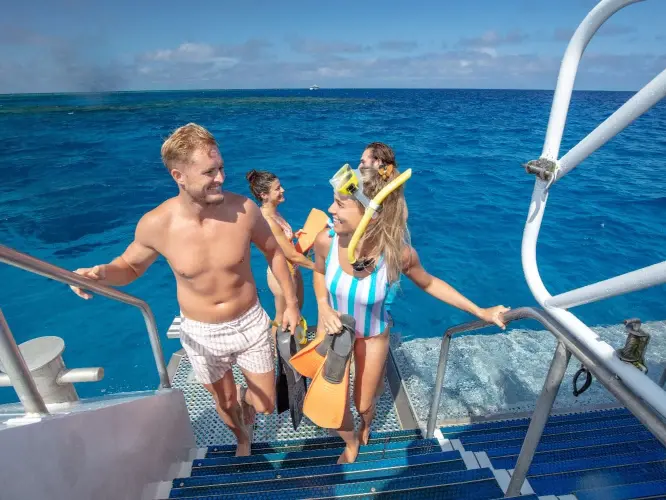
The main difference is that all the snorkelling and diving activities take place directly from the vessel. You enter the water from the boat and swim out to explore the surrounding coral gardens.
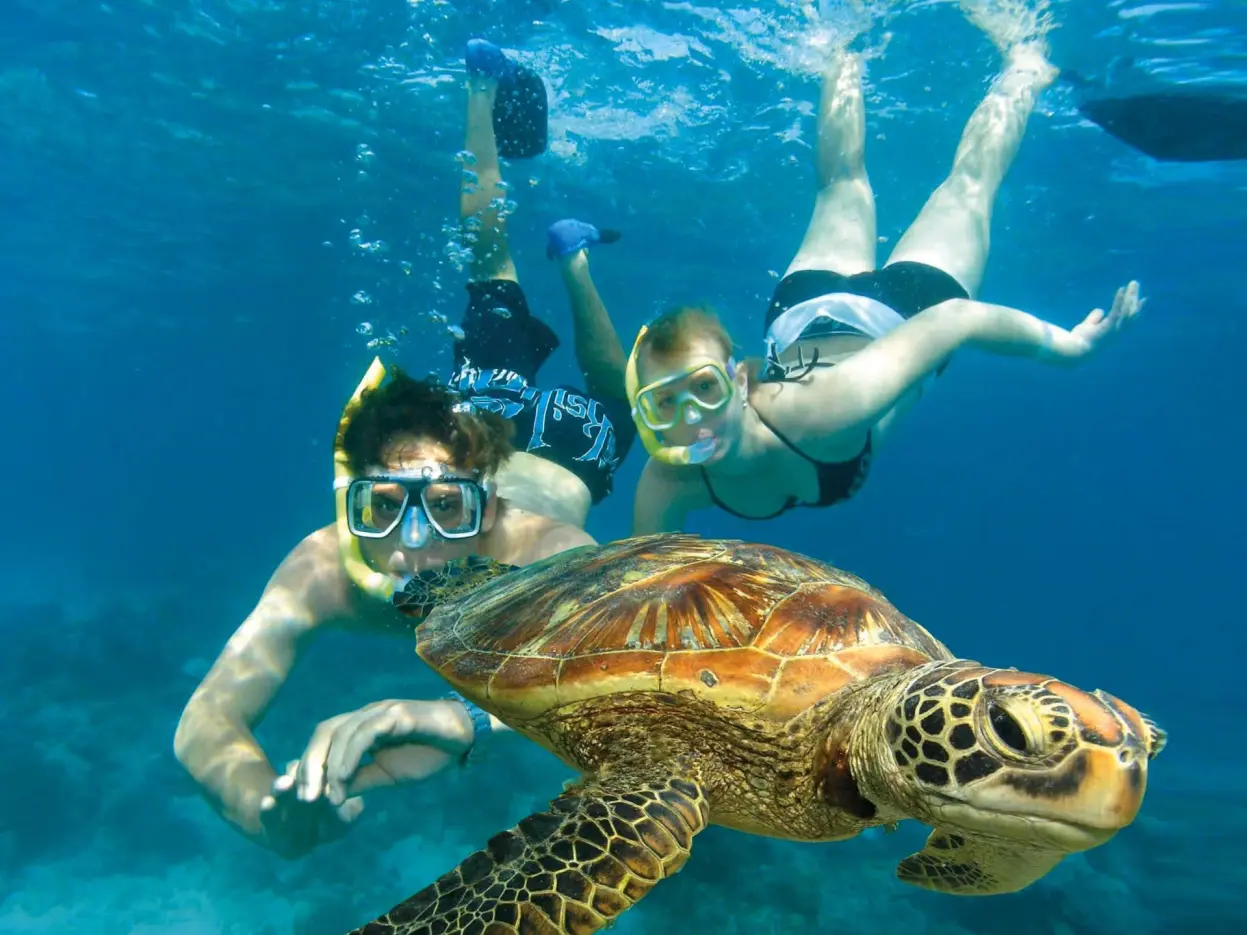
The outer reef generally offers a wonderful variety of marine habitats, with larger coral formations, colourful reef fish and opportunities to encounter turtles, reef sharks, rays and other marine creatures.
Most dedicated dive and snorkel cruises visit two or more reef locations during the day, allowing you to experience different areas of the reef.
Do You Need to Be a Strong Swimmer?
You don’t necessarily need to be an experienced swimmer to enjoy a snorkelling cruise.
Most operators provide flotation aids, including snorkelling vests and life jackets, and crew members are available to assist passengers entering and leaving the water.
However, unlike island snorkelling, you will generally be entering deeper water directly from the vessel. You should be comfortable in the water and follow the operator’s safety requirements.
If you’re a nervous swimmer or travelling with young children, an island or pontoon cruise may be a more comfortable choice.
Introductory and Certified Scuba Diving
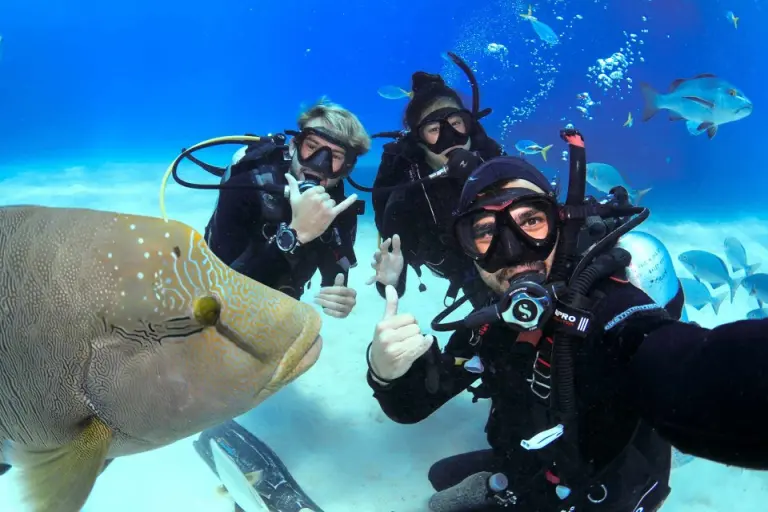
One of the biggest advantages of dedicated dive and snorkel cruises is the opportunity to experience scuba diving.
Most operators offer both introductory diving for beginners and certified diving for people who already hold an appropriate scuba qualification.
An introductory dive allows you to experience breathing underwater with the assistance of a qualified instructor. You don’t need previous scuba diving experience, although you must meet the operator’s medical, age and safety requirements.
Certified divers generally have access to a wider range of dive sites and can explore the reef with a qualified dive guide or buddy arrangement, depending on the operator.
Some vessels offer multiple dives throughout the day, making them particularly attractive to certified divers who want to maximise their time underwater.
What About Non-Swimmers?
Some dive and snorkel vessels also offer glass bottom boat tours or semi-submarine experiences. However, these are not available on every cruise and may be limited by weather, wind and tidal conditions.
If you don’t intend to enter the water at all, an island or outer reef pontoon cruise will generally provide a better range of activities.
3. Outer Reef Pontoons – The Best All-Round Option?
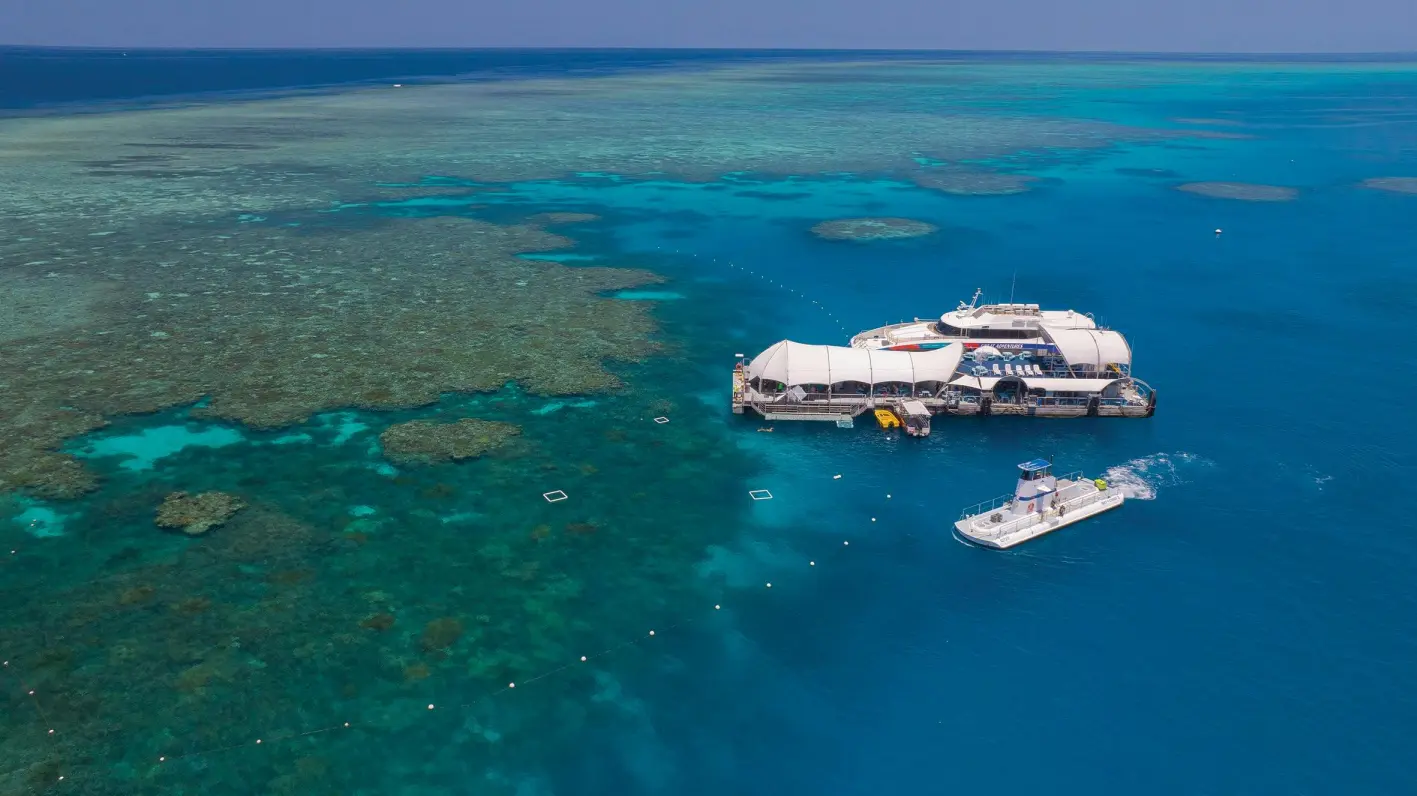
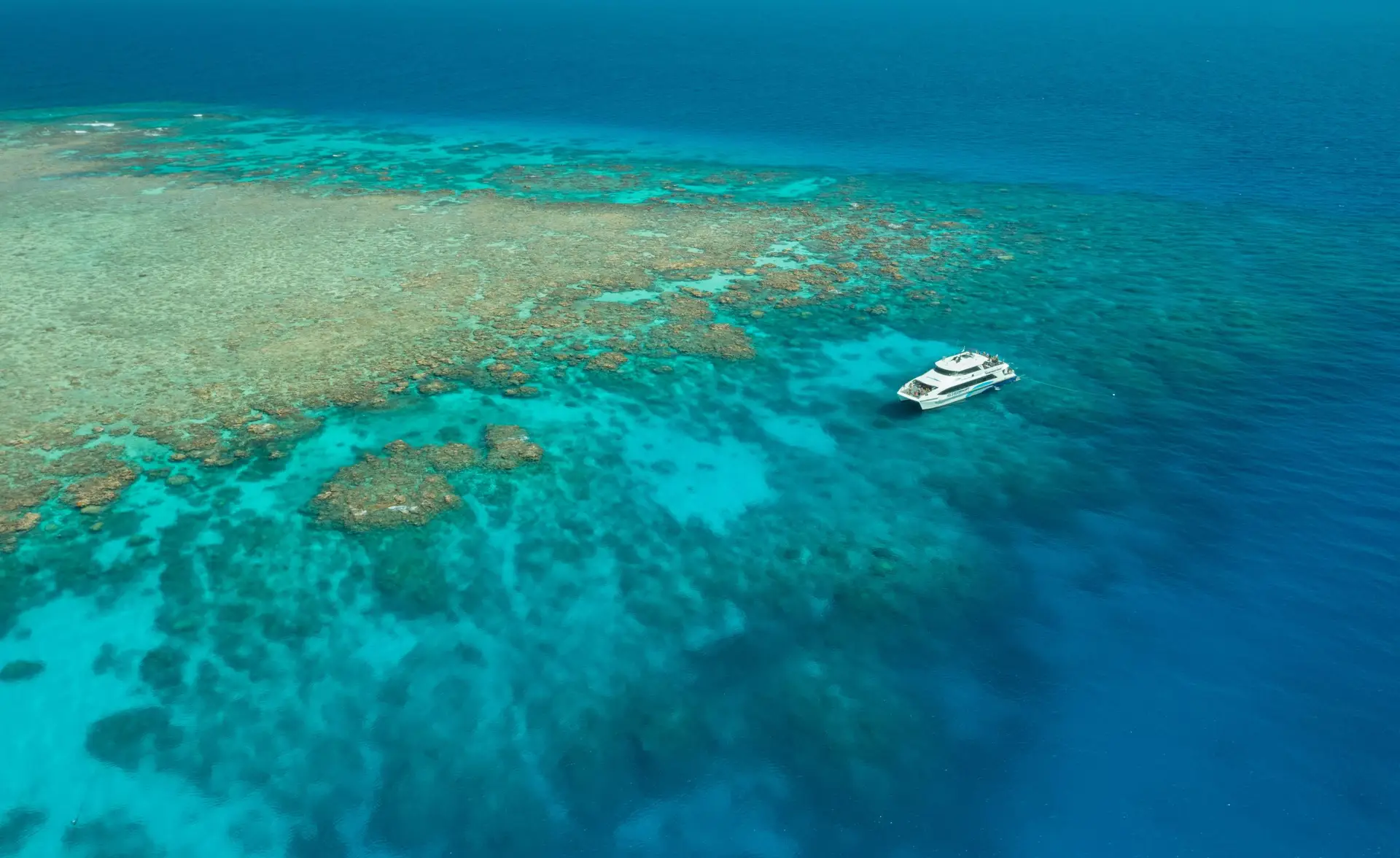
Outer reef pontoons are large, purpose-built floating platforms permanently moored at selected locations on the Great Barrier Reef.
Think of them as small floating islands in the middle of the reef!
They provide a central base for the day’s activities and are particularly popular with families and mixed-age groups because they offer something for almost everyone.
You can spend the day snorkelling, scuba diving, enjoying underwater viewing facilities or simply relaxing on the platform.
Depending on the pontoon and operator, activities may include:
In-water activities:
- Snorkelling directly from the pontoon.
- Introductory and certified scuba diving.
- Helmet diving or Seawalker experiences.
- Guided snorkelling tours.
- Waterslides and other water activities at selected pontoons.
Dry activities:
- Glass bottom boat tours.
- Semi-submarine tours.
- Underwater observatories and viewing chambers.
- Marine presentations and educational experiences.
- Spacious sundecks and sheltered relaxation areas.
Not every pontoon offers all these activities, so it’s worth checking the individual tour inclusions before booking.
Why Choose an Outer Reef Pontoon?
Pontoons are particularly suitable for families travelling with different age groups and swimming abilities.
Parents might enjoy snorkelling, teenagers might want to try scuba diving, younger children might prefer a glass bottom boat, while grandparents can relax on the platform and enjoy the scenery.
Another advantage is that you have a stable platform to return to throughout the day. There are usually sheltered areas, toilets, change facilities and places to sit and enjoy lunch.
For nervous swimmers, being able to enter and exit the water using purpose-built platforms and ladders can make the experience more comfortable.
Some pontoons also have underwater viewing areas, allowing visitors to see the reef without getting wet.
Island and Pontoon Combination Cruises
Some of the most popular Great Barrier Reef day tours combine an island visit with an outer reef pontoon experience.
These cruises offer a particularly good compromise for families and visitors who aren’t sure which type of reef experience they prefer.
You might start the day at Green Island, enjoying a beach snorkel or glass bottom boat tour, before continuing to an outer reef pontoon for several hours of snorkelling and other activities.
This allows less confident snorkellers to practise in the shallower island waters before experiencing the outer reef.
It’s also a great way to experience two very different reef environments in a single day.
4. Things to Consider Before Choosing Your Reef Cruise
Now that you understand the three main types of Great Barrier Reef cruises, there are a few other things worth considering before making your booking.
Your Swimming Ability
Be honest about your swimming ability and confidence in the water.
If you’re a strong swimmer and enjoy snorkelling, a dedicated outer reef cruise may be ideal.
If you’re a nervous swimmer, travelling with young children or simply prefer to stay close to shore, an island cruise or pontoon experience may be more suitable.
Remember that flotation equipment is available on most reef cruises, but you should always check the operator’s requirements and safety advice.
Are You Travelling With Children?
Families have some excellent options when it comes to Great Barrier Reef cruises.
Green Island and Fitzroy Island are popular choices because they offer beaches, walking tracks and plenty of activities beyond snorkelling.
Outer reef pontoons are also fantastic for families because they generally provide a wider selection of activities in one location.
Check the minimum age requirements for introductory diving, helmet diving and other activities if you have younger children.
Do You Want to Scuba Dive?
If scuba diving is high on your priority list, choose a cruise that offers the type of diving experience you’re looking for.
Some vessels specialise in diving and may offer multiple dives at different reef locations.
Other cruises include one introductory dive as part of a general snorkelling experience.
Certified divers should also check whether their chosen cruise caters for their qualification level and offers the type of diving they want.
How Long Do You Want to Spend on the Reef?
Most Great Barrier Reef day cruises take between seven and nine hours, including return transfers from Cairns.
However, the actual time spent at the reef varies considerably.
Some island cruises provide several hours of free time on the island, while dedicated outer reef cruises may offer four to five hours or more at their reef locations.
Pontoons also generally provide several hours for visitors to enjoy the available activities.
If you want more time underwater, look for cruises that visit multiple outer reef locations or consider an overnight liveaboard experience.
Consider the Boat and Journey
The journey from Cairns to the reef can take anywhere from approximately 45 minutes to two hours, depending on the destination, vessel and weather conditions.
High-speed catamarans can get you to some destinations more quickly, while larger vessels may offer additional indoor seating, outdoor decks and facilities.
If you are prone to seasickness, consider a larger, more stable vessel and take appropriate precautions before departure.
You can also read our guide to preventing seasickness on a Great Barrier Reef cruise.
What’s Included in the Price?
Not all reef cruises include the same things, so comparing the advertised price alone can be misleading.
Some tours include snorkelling equipment, wetsuits or lycra suits, lunch, morning and afternoon tea, while others offer some of these as optional extras.
If you intend to scuba dive, check whether introductory or certified diving is included in the advertised price or charged separately.
Also check whether marine park fees, equipment hire and transfers are included.
A slightly more expensive cruise can sometimes represent much better value once all the extras are considered.
5. What About Weather and Reef Conditions?
The Great Barrier Reef is a natural environment, so conditions can change from day to day.
Wind, tides, currents and visibility can all influence the day’s activities and the reef locations selected by the skipper.
Cruise operators generally choose their reef locations based on prevailing conditions, with passenger comfort and safety being important considerations.
During periods of stronger winds, some outer reef locations may be more exposed than others.
It’s also worth remembering that marine life is wild. You may encounter turtles, reef sharks, rays, colourful tropical fish and other creatures, but sightings can never be guaranteed.
Coral visibility and water clarity can also vary depending on weather and seasonal conditions.
If you’re visiting Cairns during the warmer months, you may also want to familiarise yourself with marine stingers and the precautions taken by reef operators.
6. Want Something More Adventurous? Consider an Overnight Reef Cruise
If one day on the Great Barrier Reef simply isn’t enough, there are several overnight and multi-day liveaboard options departing from Cairns.
These trips allow you to spend considerably more time exploring the reef, visiting multiple locations and experiencing the underwater world at different times of the day.
Depending on the vessel and itinerary, activities may include:
- Multiple snorkelling sessions.
- Several certified scuba dives.
- Introductory scuba diving.
- Early morning and afternoon reef explorations.
- Night diving for suitably qualified divers.
- Overnight accommodation onboard.
Liveaboard trips are particularly popular with certified divers, although some vessels also cater for snorkellers and introductory divers.
They are a fantastic way to experience more of the Great Barrier Reef without having to return to Cairns each afternoon.
So, Which Great Barrier Reef Cruise Is Best for You?
Ultimately, the best Great Barrier Reef cruise depends on what you want to get out of your day.
As a general guide:
- Best for non-swimmers: Green Island, Fitzroy Island or an outer reef pontoon cruise.
- Best for families: Island and pontoon combination cruises.
- Best for first-time snorkellers: Island cruises with beach entry or pontoons with easy water access.
- Best for keen snorkellers: Dedicated outer reef snorkel cruises.
- Best for scuba diving: Dedicated dive and snorkel vessels.
- Best for a little bit of everything: Outer reef pontoon cruises.
- Best for serious divers: Overnight and multi-day liveaboard trips.
There really is no single best Great Barrier Reef cruise for everyone. What might be perfect for one visitor could be completely wrong for another.
The most important thing is to choose a cruise that matches your interests, swimming ability, budget and the type of experience you want to enjoy.
Frequently Asked Questions About Great Barrier Reef Cruises
1. What is the best Great Barrier Reef cruise from Cairns?
There isn’t one cruise that suits everyone. Island cruises are great for families and non-swimmers, dedicated outer reef cruises are ideal for snorkelling and diving, while pontoons offer a variety of activities for different ages and abilities.
2. Can you visit the Great Barrier Reef without swimming?
Absolutely! Glass bottom boats, semi-submarines and underwater observatories allow you to experience the reef without entering the water. Island cruises also offer beaches, rainforest walks and other dry activities.
3. Is Green Island or Fitzroy Island better?
Green Island is a smaller coral cay with easy beach access and a good range of organised activities. Fitzroy Island is larger and more rugged, with rainforest walks, beautiful beaches and opportunities for independent exploration. Both are excellent choices.
4. Are outer reef cruises suitable for children?
Yes. Many outer reef cruises welcome families and offer snorkelling equipment, flotation aids and activities for children. Pontoons are particularly popular because they offer both wet and dry activities. Always check individual age restrictions.
5. Do I need to know how to swim to snorkel the Great Barrier Reef?
You should be comfortable in the water and follow the operator’s safety requirements. Flotation aids can help less confident swimmers, but if you are unable to swim or are uncomfortable in open water, consider a glass bottom boat or semi-submarine experience instead.
6. How long does it take to get to the Great Barrier Reef from Cairns?
Travel times vary depending on the destination and vessel. Many reef locations are approximately 45 minutes to two hours from Cairns by boat.
7. Can beginners go scuba diving on the Great Barrier Reef?
Yes. Most dedicated dive and snorkel operators offer introductory scuba diving for people without previous experience. Participants must meet the operator’s minimum age, medical and safety requirements.
8. Is a pontoon cruise better than an island cruise?
It depends on what you want to do. Pontoons offer a wider range of organised reef activities in one location, while island cruises provide beaches, walking trails and a more relaxed tropical island experience.
9. What should I take on a Great Barrier Reef cruise?
We recommend taking swimwear, a towel, sunscreen, sunglasses, a hat, a change of clothes and a waterproof camera if you have one. Most operators supply snorkelling equipment, but check your tour inclusions before departure.
10. Can I get seasick on a Great Barrier Reef cruise?
Yes, particularly when travelling to exposed outer reef locations. If you’re prone to seasickness, consider taking suitable preventative medication before departure and choosing a larger vessel where possible.
11. What is the difference between an introductory and certified scuba dive?
An introductory dive is designed for people without previous scuba qualifications and takes place under the direct supervision of an instructor. Certified diving is for people who already hold an appropriate scuba qualification and can generally access a wider range of diving experiences.
12. Are all Great Barrier Reef cruises suitable for non-swimmers?
No. Some dedicated dive and snorkel cruises focus almost entirely on water activities. If you don’t intend to swim, choose an island cruise or a pontoon tour that offers glass bottom boats, semi-submarines or underwater viewing facilities.
Ready to explore the Great Barrier Reef?
Browse our range of Great Barrier Reef cruises from Cairns and find the perfect reef experience for your holiday. Whether you’re looking for a relaxing island escape, a family-friendly pontoon adventure or an unforgettable scuba diving experience, we’ll help you find the right cruise.