Paronella Park – Imagine discovering a Spanish-style castle hidden amongst a tropical rainforest, complete with waterfalls, stone bridges, tunnels, beautiful gardens and a fascinating history dating back almost a century.
It might sound like something you’d find in Europe, but this incredible attraction is right here in Far North Queensland!
Welcome to Paronella Park, one of Australia’s most unique heritage attractions and a must-visit destination for anyone exploring the Cairns region.
Located at Mena Creek, approximately 120 kilometres south of Cairns, Paronella Park is much more than an old castle. It’s the remarkable creation of one man’s dream, brought to life in the middle of the Australian rainforest.
Today, visitors can wander through the tropical gardens, explore the historic buildings, discover the waterfalls and learn about the extraordinary story of José Paronella.
You can visit independently if you’re driving yourself, or make the experience even easier by joining one of the fantastic Paronella Park tours departing from Cairns.
In this guide, we’ll cover the history of Paronella Park, what you can see and do, how to get there, and the best ways to experience this remarkable attraction.
The Fascinating History of Paronella Park – One Man’s Extraordinary Dream
The story of Paronella Park begins with a Spanish immigrant named José Paronella, who arrived in Australia from Catalonia, Spain, in 1913.
Like many immigrants of the time, José came to Australia looking for opportunities and a better future. He initially worked cutting sugar cane before moving into purchasing, improving and selling sugar cane farms.
Over the following years, he worked hard and built up enough money to pursue a rather extraordinary dream.
José had first discovered the beautiful property beside Mena Creek in 1914. He was captivated by the location and imagined creating a magnificent pleasure garden where people could relax, enjoy entertainment and escape into a beautiful tropical setting.
In 1929, he finally purchased approximately 13 acres of land for £120.
He returned to Spain, married his sweetheart Margarita in 1925, and the couple eventually travelled back to Australia together, with their honeymoon becoming the beginning of their shared adventure at Mena Creek.
What followed was an incredible construction project.
Working largely by hand, José and Margarita began creating their own Spanish-inspired paradise in the rainforest. They built their home, the castle, bridges, tunnels, staircases, picnic areas and entertainment facilities.
Much of the construction used reinforced concrete, with old railway tracks incorporated into the structures for reinforcement.
José even created a hydro-electric power station using the water flowing through Mena Creek, an impressive engineering achievement for its time.
After years of hard work, Paronella Park officially opened to the public in 1935.
It quickly became a popular entertainment destination, featuring a theatre, ballroom, tennis courts, picnic areas and beautiful gardens.
However, the park’s history wasn’t without its challenges. Major flooding in 1946 caused extensive damage, and the family worked hard to restore the property. José passed away in 1948, but his wife and family continued his dream for many years.
A fire in 1979, along with subsequent cyclones and floods, caused further damage.
In 1993, Mark and Judy Evans purchased Paronella Park and began an ongoing program of restoration and preservation.
One particularly impressive achievement was the restoration of José’s original hydro-electric system, which was brought back into operation in 2009.
Today, Paronella Park remains a remarkable reminder of one man’s imagination, determination and passion for creating something truly unique.
What Can You See and Do at Paronella Park?
One of the great things about visiting Paronella Park is that there’s plenty to explore. It’s not simply a case of looking at an old building and moving on.
The entire property is an experience, with beautiful gardens, historic structures, waterfalls and fascinating little details around almost every corner.
Here are some of the highlights you’ll discover during your visit.
The Spanish Castle and Historic Ruins
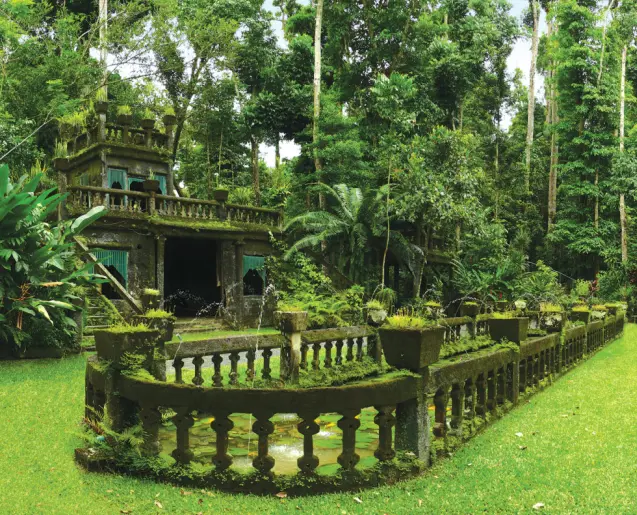
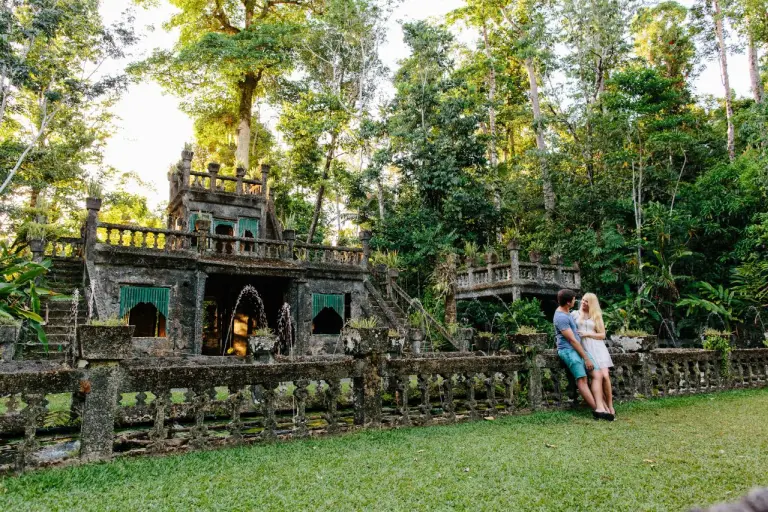
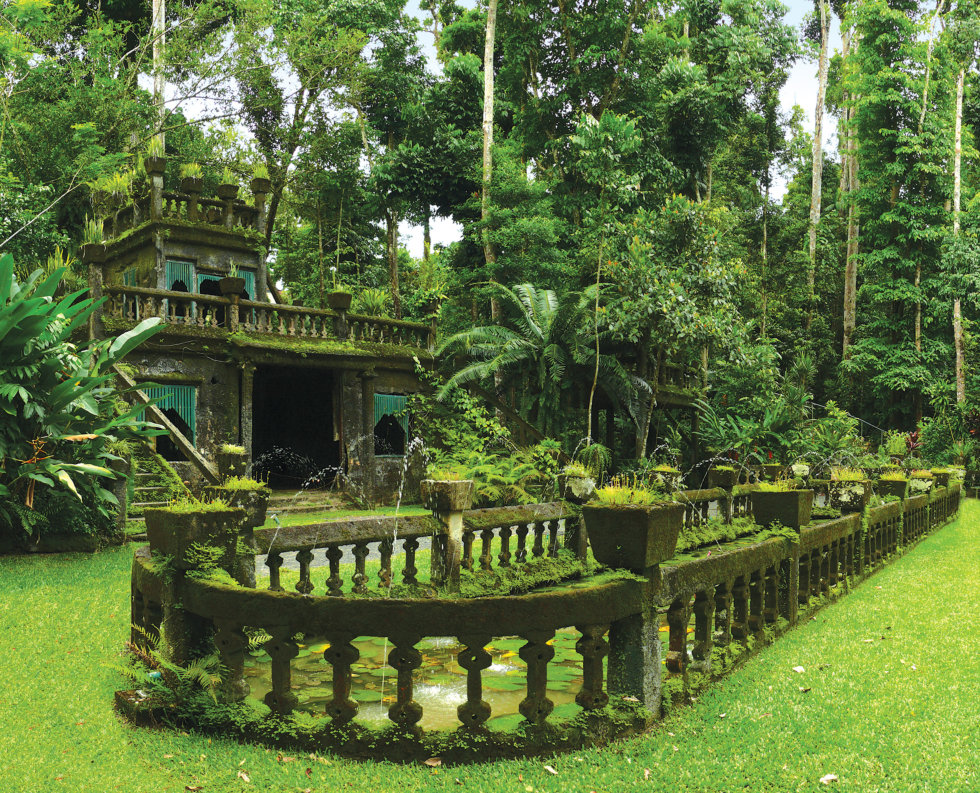
The Spanish-inspired castle is undoubtedly the main attraction and the centrepiece of Paronella Park.
Although the buildings have weathered almost a century of tropical conditions, floods, cyclones and fire, the remaining structures still have an incredible atmosphere.
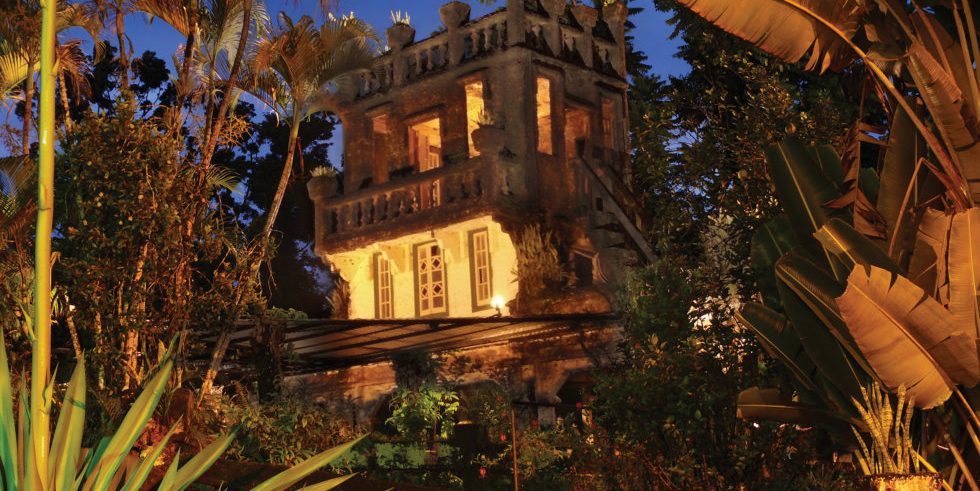
Walking around the castle ruins, you’ll discover balconies, staircases, arches and architectural details that make the property feel like something transported from another part of the world.
It’s also one of the best places to take photographs, particularly with the rainforest vegetation gradually surrounding the old structures.
Rather than completely rebuilding the original buildings, the owners have concentrated on preserving the history and character of the site.
This gives Paronella Park its distinctive appearance and makes exploring the grounds particularly interesting.
The Grand Staircase
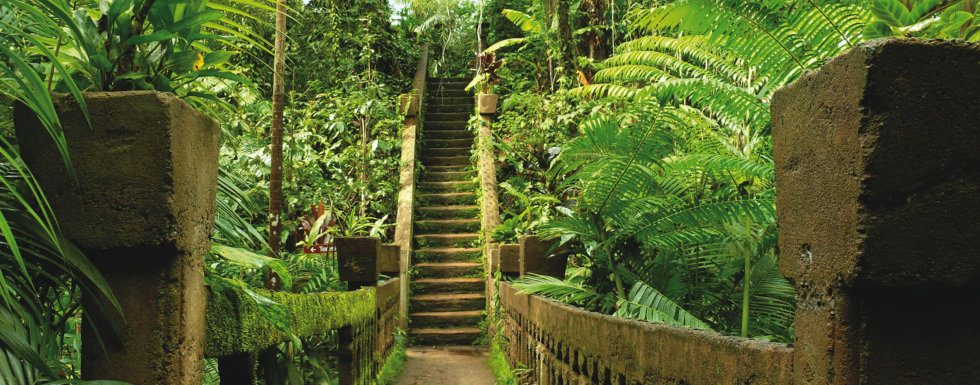
The Grand Staircase is one of the most interesting features of the park.
It was one of the earliest structures constructed by José and was originally built to make it easier to carry river sand up from Mena Creek for the concrete construction work.
Today, it remains an impressive part of the historic property and provides a fascinating insight into the enormous amount of manual labour involved in building Paronella Park.
Mena Creek Falls
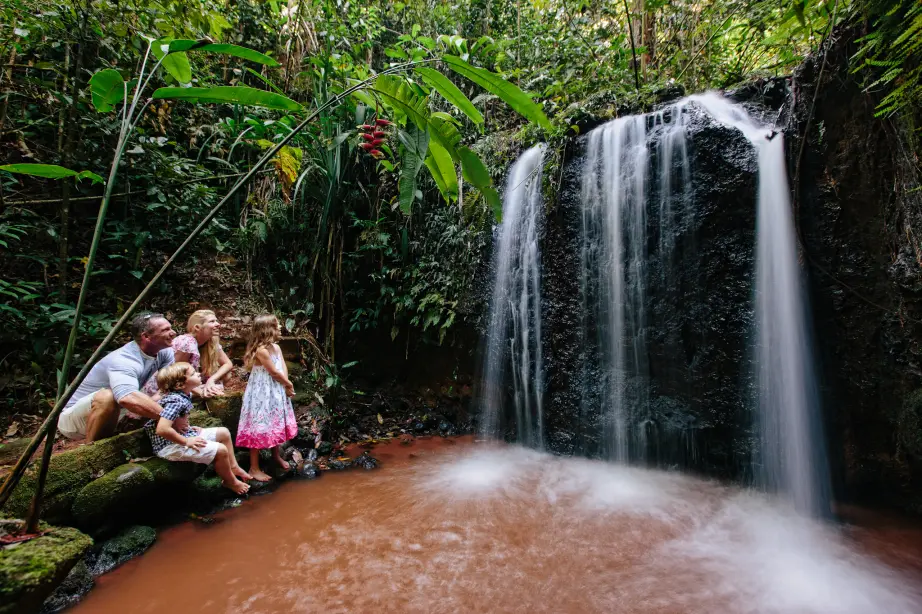
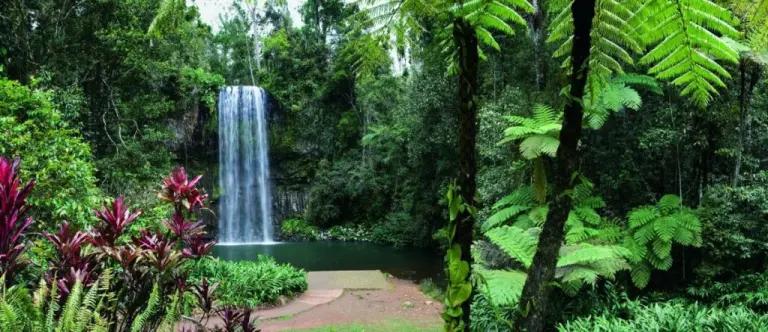
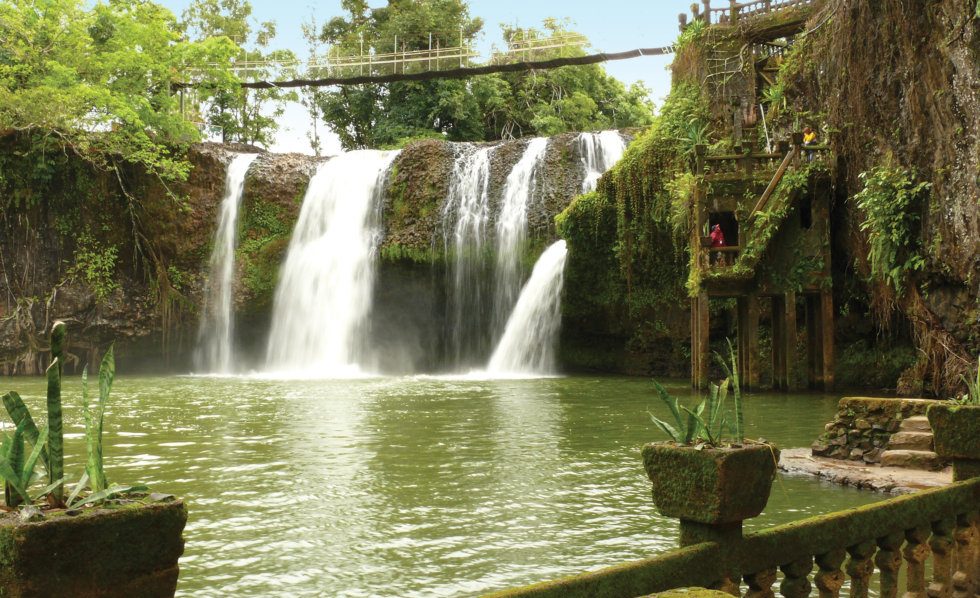
One of the most beautiful parts of Paronella Park is its position beside Mena Creek Falls.
The waterfall provides a spectacular natural backdrop to the castle and gardens, creating a combination of tropical rainforest scenery and historic architecture that’s quite unlike anything else in the Cairns region.
You can enjoy views of the waterfall from several locations throughout the property, including the suspension bridge.
The falls are particularly impressive after good rainfall, when the water flows strongly through the surrounding rainforest.
The Suspension Bridge
The suspension bridge is another highlight and a great place to appreciate the natural beauty of Mena Creek.
Crossing above the water provides a different perspective of the creek, surrounding vegetation and waterfall area.
It’s also a lovely photography location, particularly when the tropical rainforest is looking its best.
Teresa Falls and the Rainforest Gardens
José planted thousands of trees throughout the property, creating the beautiful tropical gardens that visitors enjoy today.
One particularly interesting feature is Teresa Falls, named after José’s daughter.
The gardens contain an impressive variety of tropical plants and trees, with winding pathways, shaded areas and beautiful rainforest scenery.
You can take your time exploring the different sections of the property and discover the many features that José incorporated into his original design.
The botanical walk is particularly worthwhile if you’re interested in tropical plants and the different tree species growing throughout the park.
The Original Hydro-Electric Power Station
One of the most impressive achievements at Paronella Park was José’s original hydro-electric power station.
Commissioned in 1933, the system harnessed the power of Mena Creek to generate electricity for the park.
It was the first hydro-electric generating plant in North Queensland and was capable of supplying the entire property.
Even more impressive, the original system was restored in 2009 and once again supplies the park’s electricity requirements.
It’s a wonderful example of José’s forward thinking and determination to incorporate practical engineering into his dream garden.
The Theatre and Ballroom
Paronella Park was originally designed as an entertainment destination, and the theatre and ballroom played an important role in its early years.
The theatre showed movies on Saturday evenings, while the ballroom hosted dances, parties and other social events.
One particularly interesting feature was the original mirrored disco-style reflector, which was covered in more than 1,200 tiny mirrors and created colourful patterns around the room when illuminated.
It’s fascinating to imagine what the park must have been like during its heyday, with people arriving to enjoy an evening of entertainment in the middle of the rainforest.
Paronella Park Day Tour or Night Tour – Which Is Better?
One of the things that makes Paronella Park particularly special is that it offers two very different experiences depending on when you visit.
The daytime experience allows you to appreciate the architecture, gardens, waterfalls and surrounding rainforest in natural light.
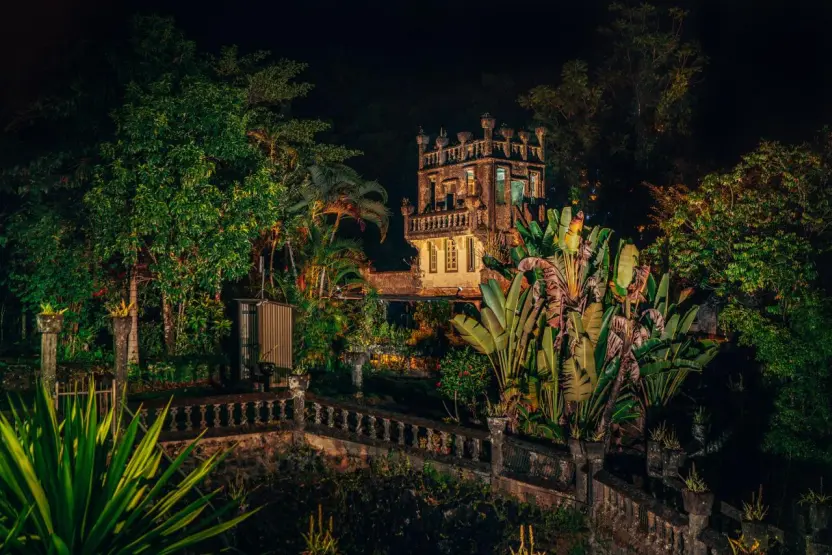
The evening experience transforms the property into something quite magical, with illuminated buildings, gardens and waterfalls creating a completely different atmosphere.
The Day Experience – Explore the Park’s History
The daytime experience is the best way to appreciate the full layout of Paronella Park.
You’ll have the opportunity to explore the gardens, walk around the historic buildings, discover the waterfall and learn about José Paronella’s extraordinary vision.
Admission includes the guided The Dream Continues tour, which takes approximately 35 minutes and introduces visitors to the history and highlights of the property.
You can then continue exploring independently, following the botanical walking route and enjoying the many different areas of the park.
The Night Experience – See the Castle Come Alive
If there’s one experience I’d particularly recommend considering, it’s the evening tour.
After dark, Paronella Park takes on a completely different appearance.
The castle ruins, gardens and waterfall are illuminated, creating a beautiful atmosphere throughout the property.
The Darkness Falls experience takes visitors on a guided evening journey through the park, allowing you to appreciate the historic structures and rainforest surroundings in a different light.
The illuminated waterfall and castle are particularly impressive, and the experience finishes with the park’s Spanish Castle light show.
If you’re visiting Paronella Park, I’d seriously consider experiencing both the daytime and evening attractions if your itinerary allows.