Cyclone Jasper: The Devastating Floods That Hit Cairns and Far North Queensland
In December 2023, Far North Queensland experienced one of the most significant natural disasters in its history when Tropical Cyclone Jasper brought torrential rain, widespread flooding and enormous disruption to Cairns and surrounding communities. While the cyclone itself had weakened considerably before making landfall, it was the extraordinary rainfall that followed which caused the greatest devastation.
From flooded homes and submerged roads to isolated communities, damaged infrastructure and closed tourist attractions, Cyclone Jasper left a lasting impact on the Cairns region. The event also demonstrated just how quickly tropical weather systems can turn into major flooding emergencies in Australia’s wet tropics.
Today, Jasper remains an important chapter in the history of Cairns and a reminder of the resilience of the local community.
When Did Cyclone Jasper Hit Cairns?
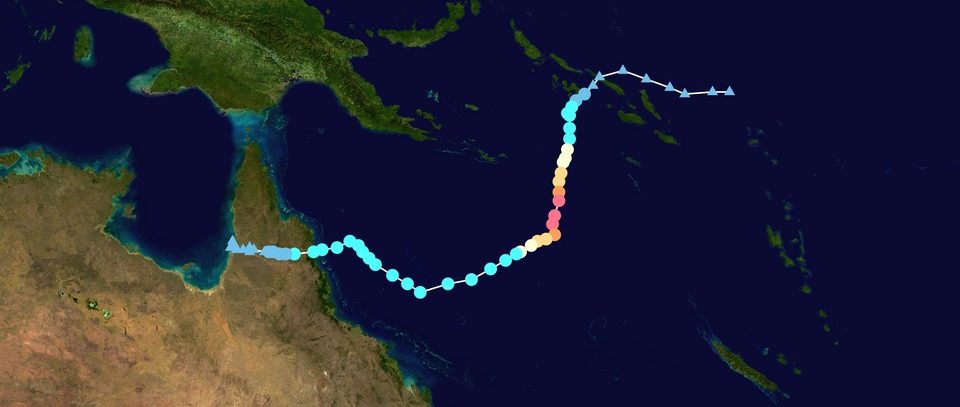
Tropical Cyclone Jasper developed in the Coral Sea in early December 2023, initially strengthening into a severe Category 5 cyclone before weakening as it moved towards the Queensland coast.
On the evening of 13 December 2023, Jasper crossed the coast near Wujal Wujal, approximately 120 kilometres north-west of Cairns, as a Category 2 tropical cyclone.
Although Cairns avoided the most destructive winds associated with a major cyclone, the region was far from out of danger.
After crossing the coast, Jasper weakened into a tropical low and stalled over Cape York Peninsula. Rather than moving away as initially expected, the weather system remained in the region, creating the conditions for several days of exceptionally heavy rainfall.
The result was catastrophic flooding across Far North Queensland.
Why Did Cyclone Jasper Cause Such Severe Flooding?
One of the most surprising aspects of Cyclone Jasper was that the worst damage wasn’t caused by the cyclone’s winds but by the enormous amount of rain that fell over an extended period.
As the remnants of Jasper stalled over Cape York, moist tropical air continued to flow into the region. This collided with other weather systems, creating a persistent band of heavy rain over the Far North Queensland coastline.
The mountainous landscape surrounding Cairns, Port Douglas and the Daintree also contributed to the situation, forcing moisture-laden air upwards and producing even heavier rainfall.
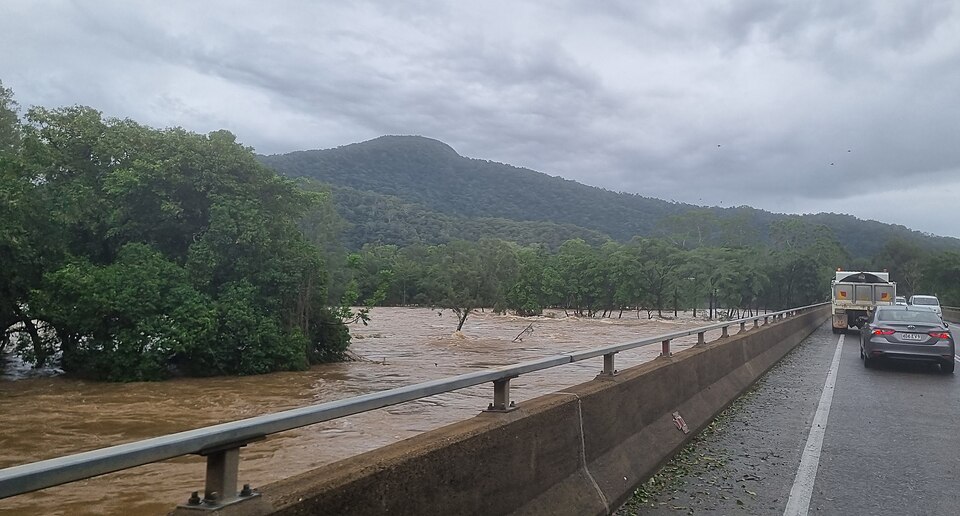
Many river catchments were already saturated from earlier rainfall associated with Jasper. When further torrential rain arrived over the weekend of 16 and 17 December, rivers and creeks rose rapidly and broke historical flood records.
Some locations recorded more than two metres of rainfall over just seven days.
The Bureau of Meteorology recorded an extraordinary 2,252mm at Bairds, near the Daintree River, during the seven days to 19 December 2023.
To put that into perspective, this is more than two metres of rain falling in a single week.
Cairns and the Northern Beaches Underwater
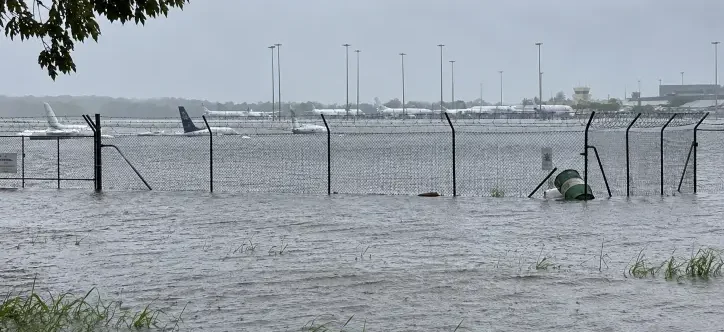
The flooding caused widespread damage throughout Cairns, particularly in the northern suburbs and surrounding communities.
The Barron River experienced an enormous flood event, reaching levels well above its previous 1977 record. Floodwaters spread across the Barron Delta, affecting residential areas, roads and important infrastructure.
Some of the worst-affected areas included:
Holloways Beach: Floodwaters caused extensive damage to homes and roads, with sections of Casuarina Street washed away. Around 55 homes were temporarily isolated after road access was destroyed. A temporary causeway was constructed within five days to reconnect the community.
Machans Beach: The small coastal community experienced significant flooding, with properties, roads and local infrastructure affected.
Yorkeys Knob: Floodwaters affected residential properties and surrounding infrastructure, with residents experiencing major disruption.
Caravonica: Located near the Barron River, Caravonica was among the areas affected by the rising river levels and flooding across the Barron Delta.
Freshwater and surrounding areas: Flooding affected properties, roads and access routes, with the wider Barron River catchment experiencing exceptional water levels.
Cairns Airport and associated infrastructure were also affected by the flooding, disrupting transport and travel throughout the region.
The Daintree and Port Douglas Experienced Record Rainfall
While Cairns received extraordinary amounts of rain, communities further north were also severely affected.
The Daintree, Mossman and Port Douglas regions experienced some of the heaviest rainfall recorded anywhere in Australia during the event.
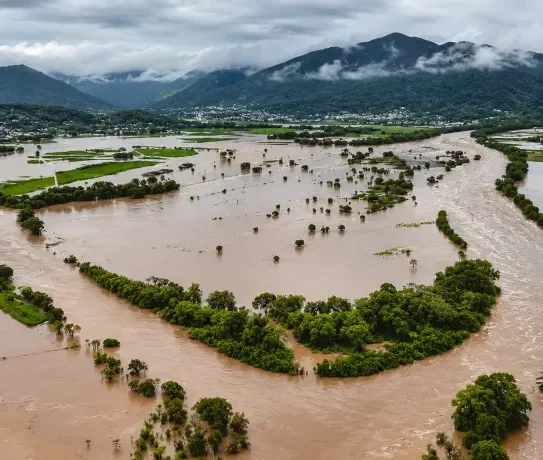
The Daintree River rose dramatically, flooding surrounding properties and cutting off communities. Roads were inundated, bridges and infrastructure were affected, and residents in some areas were isolated.
Mossman and surrounding rural communities also experienced significant flooding.
The region’s spectacular rainforest landscape, normally attracting thousands of visitors, was transformed by swollen rivers, waterfalls and torrents of muddy floodwater.
For communities north of Cairns, the combination of flooded roads, damaged infrastructure and isolated settlements created an enormous logistical challenge.
How Much Damage Did Cyclone Jasper Cause?
The financial and physical impact of Cyclone Jasper was substantial.
According to Cairns Regional Council, the disaster resulted in:
- More than 2.2 metres of rainfall recorded across the Cairns catchment.
- The Barron River reaching a record flood level of approximately 4.4 metres at the relevant council flood gauge, exceeding the previous 1977 record of 3.8 metres.
- 941 properties damaged by floodwaters.
- The city’s treated water supply falling to just 3% of normal capacity.
- Approximately 1,000 tonnes of flood-affected household waste collected directly from properties.
- Significant damage to roads, water pipes, sewer infrastructure and community facilities.
The economic impact was also enormous. Council estimated the adverse economic impact at approximately $389 million within the Cairns local government area, with the wider Cairns economic region experiencing losses estimated at more than $649 million.
Tourism, agriculture, hospitality, retail and small businesses were all affected.
The Impact on Cairns Tourism
Tourism is one of the most important industries in Far North Queensland, and Cyclone Jasper created enormous challenges for local tourism operators.
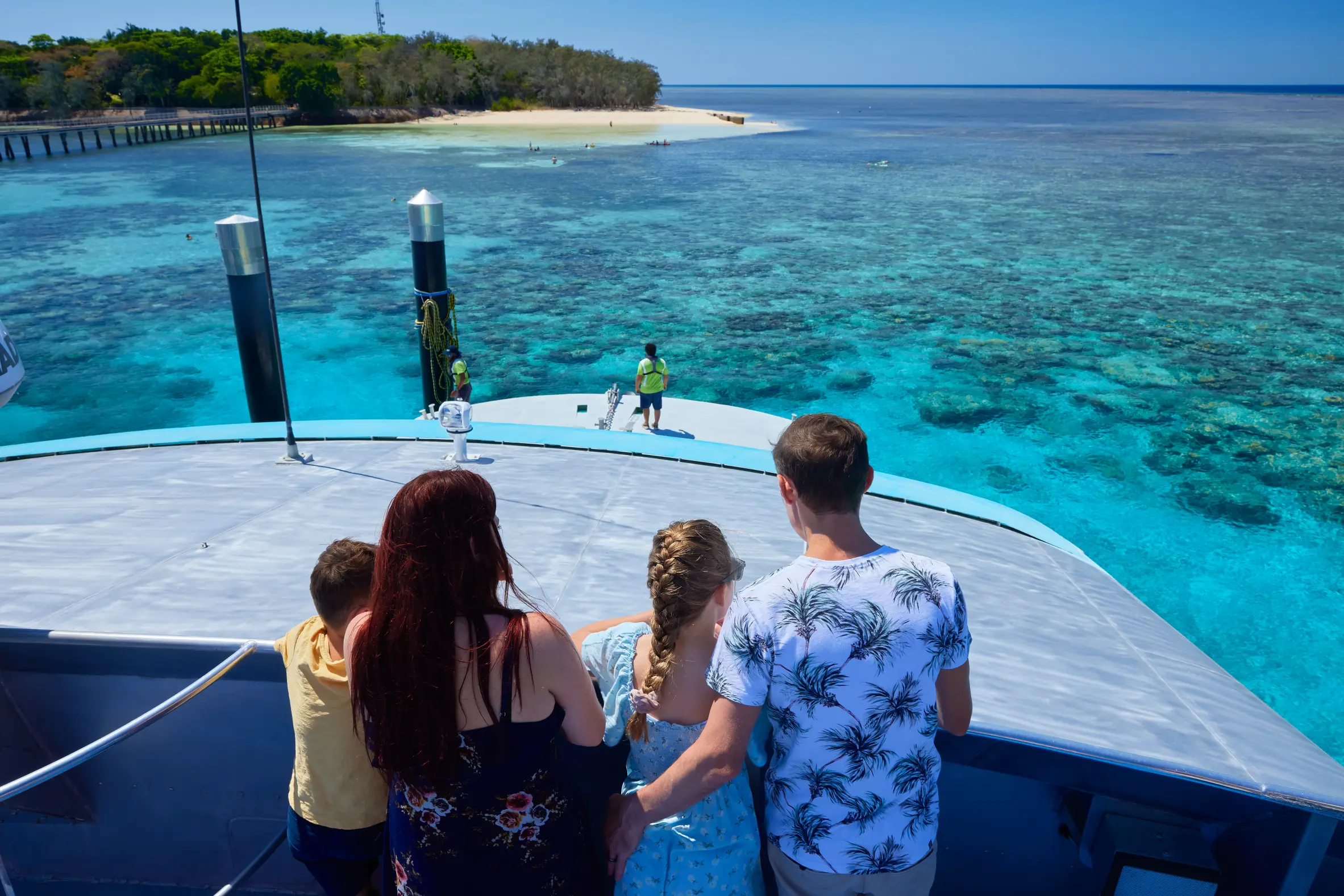
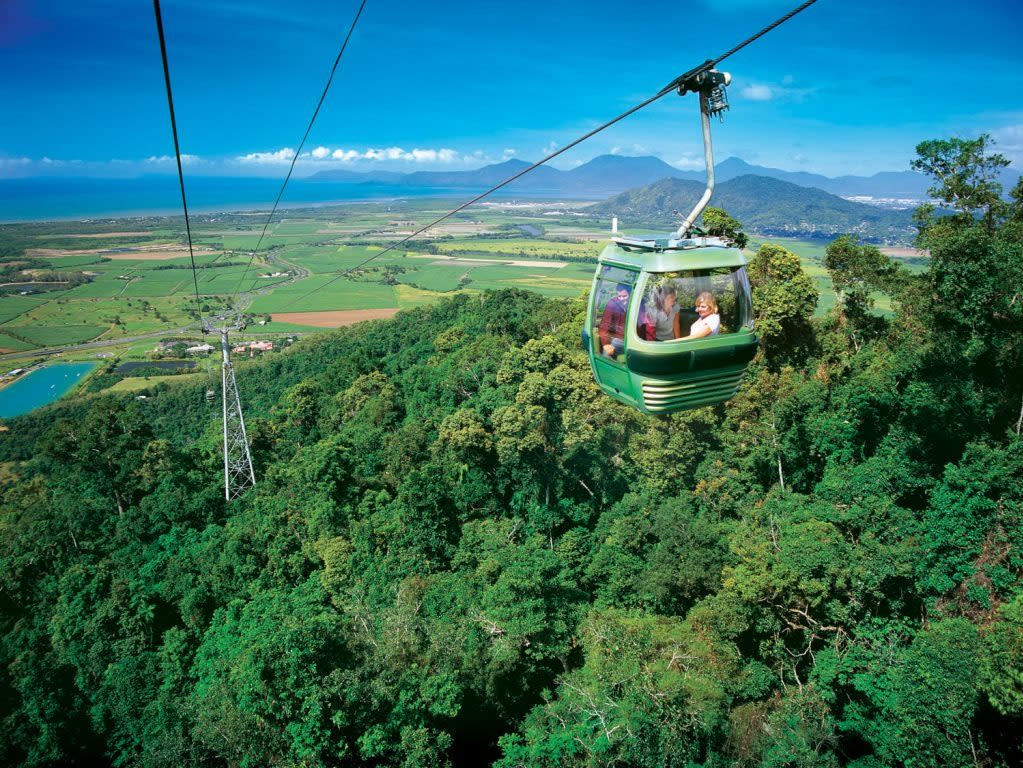
Cairns is the gateway to some of Australia’s most popular natural attractions, including the Great Barrier Reef, the Daintree Rainforest, Kuranda, Green Island and Fitzroy Island.
Following the flooding, numerous roads and access routes were damaged or closed. Some tourism operators were forced to temporarily suspend operations, while others experienced cancellations and significant booking disruptions.
The impacts extended well beyond Cairns itself.
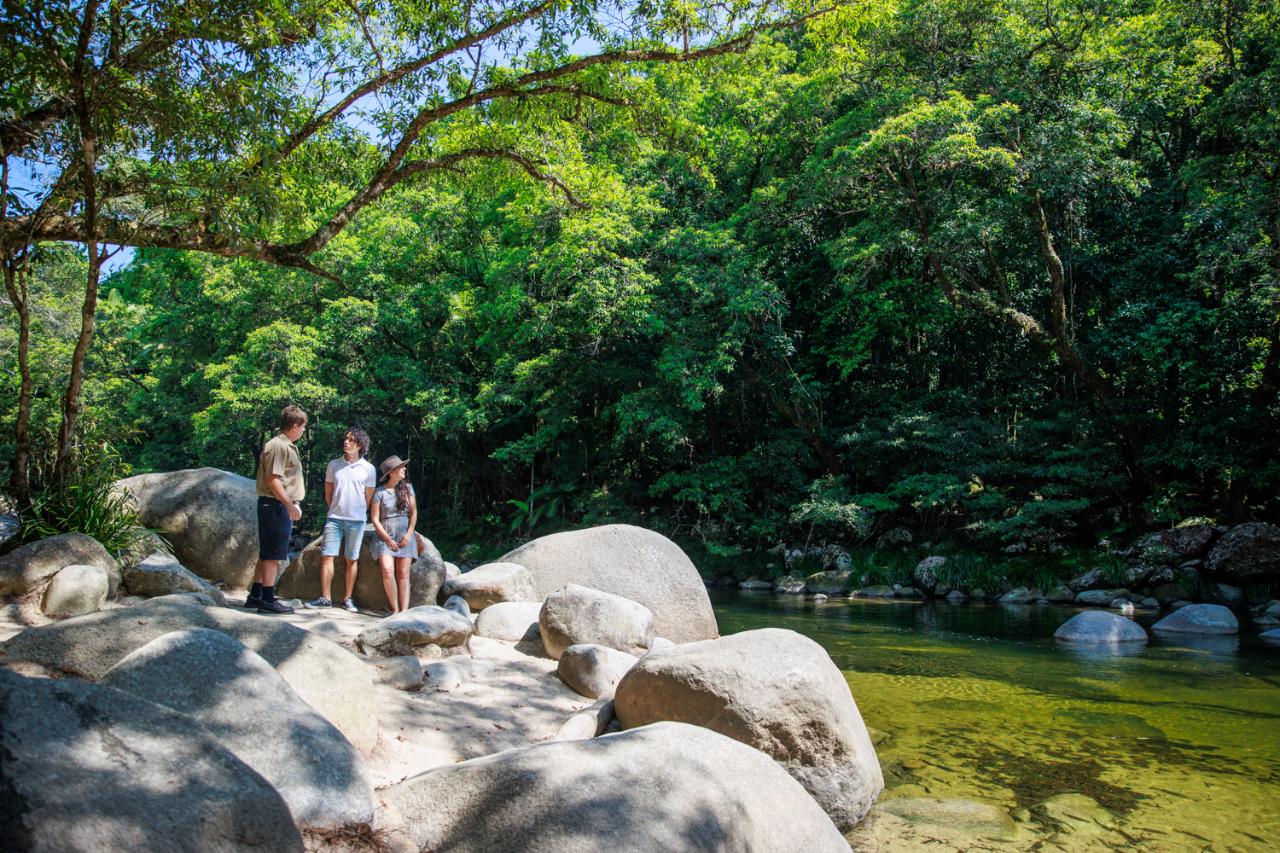
The Daintree Rainforest and Cape Tribulation experienced flooding and access difficulties, while roads connecting communities and tourism destinations throughout the region required repairs.
Many local businesses faced the difficult task of cleaning up, repairing damage and reopening while dealing with the uncertainty of future bookings.
For a region that relies heavily on visitors, the recovery of the tourism industry was particularly important.
How Did Cairns Recover From Cyclone Jasper?
Despite the scale of the disaster, the people of Cairns and Far North Queensland demonstrated remarkable resilience.
Emergency services, local councils, government agencies, community organisations and volunteers worked together to assist affected residents, restore essential services and repair damaged infrastructure.
In the immediate aftermath, priorities included restoring drinking water supplies, clearing debris, reopening roads and reconnecting isolated communities.
Temporary infrastructure was installed where necessary, including the causeway at Holloways Beach, which restored access to dozens of isolated homes.
Longer-term recovery involved repairing roads, replacing water and sewer infrastructure, improving drainage and planning more resilient community infrastructure.
Tourism operators also worked hard to reopen attractions and welcome visitors back to the region.
While the recovery process was substantial, the disaster highlighted the strength and determination of Far North Queensland communities.
Is Cairns Safe to Visit After Cyclone Jasper?
Cairns remains one of Australia’s most popular holiday destinations, offering visitors access to the Great Barrier Reef, ancient tropical rainforests, waterfalls, islands and spectacular coastal scenery.
Cyclone Jasper was a major historical weather event, but it is important to distinguish the flooding experienced in December 2023 from normal conditions during the current travel season.
Tourism is an important part of the region’s recovery and ongoing economy, and visitors continue to enjoy the many attractions and experiences available throughout Far North Queensland.
As with any tropical destination, visitors travelling during the wet season (November to April) should keep an eye on weather forecasts and check road conditions before heading out on regional adventures.
The Bureau of Meteorology and local council disaster information services are useful sources of up-to-date weather, flood and road information.
Cyclone Jasper: A Reminder of the Power of the Tropical North
Cyclone Jasper will be remembered as one of the most significant flooding disasters ever experienced in the Cairns region.
Although the cyclone weakened before reaching the coast, the prolonged and extraordinary rainfall that followed caused widespread destruction across Cairns, the Northern Beaches, Port Douglas, Mossman and the Daintree.
For residents, it was an incredibly challenging time, with many losing homes, possessions and access to essential services.
However, it also demonstrated the strength of the Far North Queensland community and its determination to rebuild.
Today, Cairns continues to welcome visitors from around Australia and the world, offering unforgettable experiences on the Great Barrier Reef and in the ancient rainforests of Tropical North Queensland.
The region has faced challenging weather events before, and Cyclone Jasper remains a powerful reminder of both the beauty and unpredictability of Australia’s tropical north.