Weather in Cairns and Tropical North Queensland: A Complete Guide
Cairns and Tropical North Queensland enjoy a warm tropical climate, with sunshine, lush rainforests, warm ocean temperatures and opportunities for outdoor adventures throughout the year. From exploring the Great Barrier Reef and relaxing on tropical islands to discovering waterfalls, ancient rainforests and scenic mountain villages, the weather plays an important role in planning your holiday.
Unlike destinations with four distinct seasons, Cairns has two main seasons: the wet season and the dry season. Each offers a different experience, and there is no single month that is best for every visitor. The dry season is popular for its comfortable temperatures and lower humidity, while the wet season brings spectacular tropical landscapes, flowing waterfalls and dramatic summer skies.
Understanding Cairns’ monthly temperatures, rainfall, sunshine and sea temperatures will help you choose the right time for your holiday and prepare for the conditions you may encounter.
Cairns Weather at a Glance
Dry Season: May to October
The dry season generally brings lower humidity, less rainfall and plenty of sunshine. Daytime temperatures typically range from 26°C to 28°C during the middle of winter, warming towards 30°C as spring progresses.
This is a popular time for Great Barrier Reef trips, rainforest tours, hiking, sightseeing and island visits. The generally comfortable conditions make it an excellent time to explore Cairns and the surrounding region.
Wet Season: November to April
The wet season brings hotter temperatures, higher humidity, tropical downpours and occasional thunderstorms. Daily maximum temperatures often reach 30°C to 32°C, while rainfall is generally highest between January and March.
Although this is the wetter time of year, it can also be one of the most beautiful seasons to visit. Rainforests become lush and vibrant, waterfalls flow strongly after heavy rain, and the tropical landscape takes on a spectacular appearance.
Monthly Weather Averages for Cairns
The following table provides a month-by-month guide to Cairns weather, including average daytime and overnight temperatures, rainfall, daily sunshine hours and approximate sea temperatures.
| Month | Avg. Daytime High | Avg. Night Low | Rainfall | Sunshine per Day | Sea Temperature |
|---|---|---|---|---|---|
| January | 31.5°C | 23.8°C | 405 mm | 6.8 hours | 29°C |
| February | 31.3°C | 23.8°C | 436 mm | 6.2 hours | 29°C |
| March | 30.7°C | 23.2°C | 424 mm | 6.5 hours | 29°C |
| April | 29.4°C | 21.8°C | 202 mm | 6.8 hours | 28°C |
| May | 27.7°C | 20.0°C | 92 mm | 6.8 hours | 27°C |
| June | 26.2°C | 18.0°C | 46 mm | 7.2 hours | 25°C |
| July | 25.9°C | 17.2°C | 33 mm | 7.4 hours | 24°C |
| August | 26.7°C | 17.4°C | 27 mm | 8.1 hours | 24°C |
| September | 28.2°C | 18.8°C | 35 mm | 8.7 hours | 25°C |
| October | 29.7°C | 20.7°C | 47 mm | 8.8 hours | 26°C |
| November | 30.8°C | 22.4°C | 88 mm | 8.5 hours | 27°C |
| December | 31.5°C | 23.4°C | 194 mm | 7.8 hours | 28°C |
Note: Figures are approximate long-term planning averages. Rainfall figures represent monthly averages, sunshine figures are approximate daily averages, and sea temperatures are indicative estimates for the Cairns coastal region. Actual conditions vary from year to year.
The figures reveal several interesting features of Cairns’ tropical climate:
- Wettest months: January, February and March, when monthly rainfall averages can exceed 400 mm.
- Driest months: July and August, when average rainfall is around 30 mm or less.
- Warmest daytime conditions: December to February, when average maximum temperatures are around 31°C.
- Most sunshine: September and October, averaging close to nine hours a day.
- Warmest seawater: During the summer months, when coastal water temperatures can approach 29°C.
Monthly averages are a guide rather than a forecast. A wet-season week can include beautiful sunny days, while a dry-season day can still bring showers.
Understanding the Two Seasons in Cairns
The Wet Season: November to April
The wet season is when Cairns truly lives up to its tropical reputation. Temperatures remain high, humidity increases, and the region receives much of its annual rainfall. The monsoon trough can bring extended periods of rain, thunderstorms and occasionally tropical cyclones.
December, January, February and March are typically the wettest and most humid months. Rain can arrive as a heavy afternoon downpour, an overnight storm or, during more unsettled weather, persistent rainfall lasting several days.
Despite its name, the wet season does not necessarily mean constant rain. There can be long sunny periods between showers, and visitors may enjoy warm mornings followed by spectacular afternoon storms.
The advantages of visiting during the wet season include:
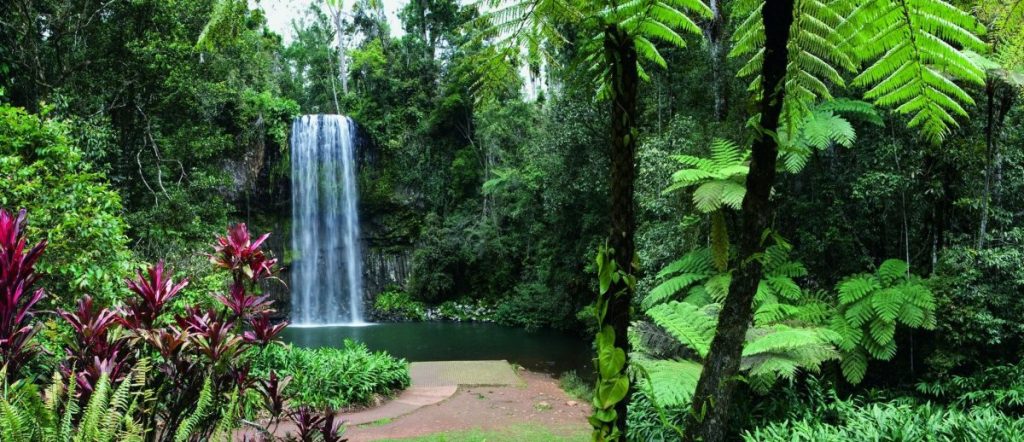
- Spectacular waterfalls: Barron Falls, Millaa Millaa Falls and other waterfalls throughout the Atherton Tablelands can be especially impressive after substantial rainfall.
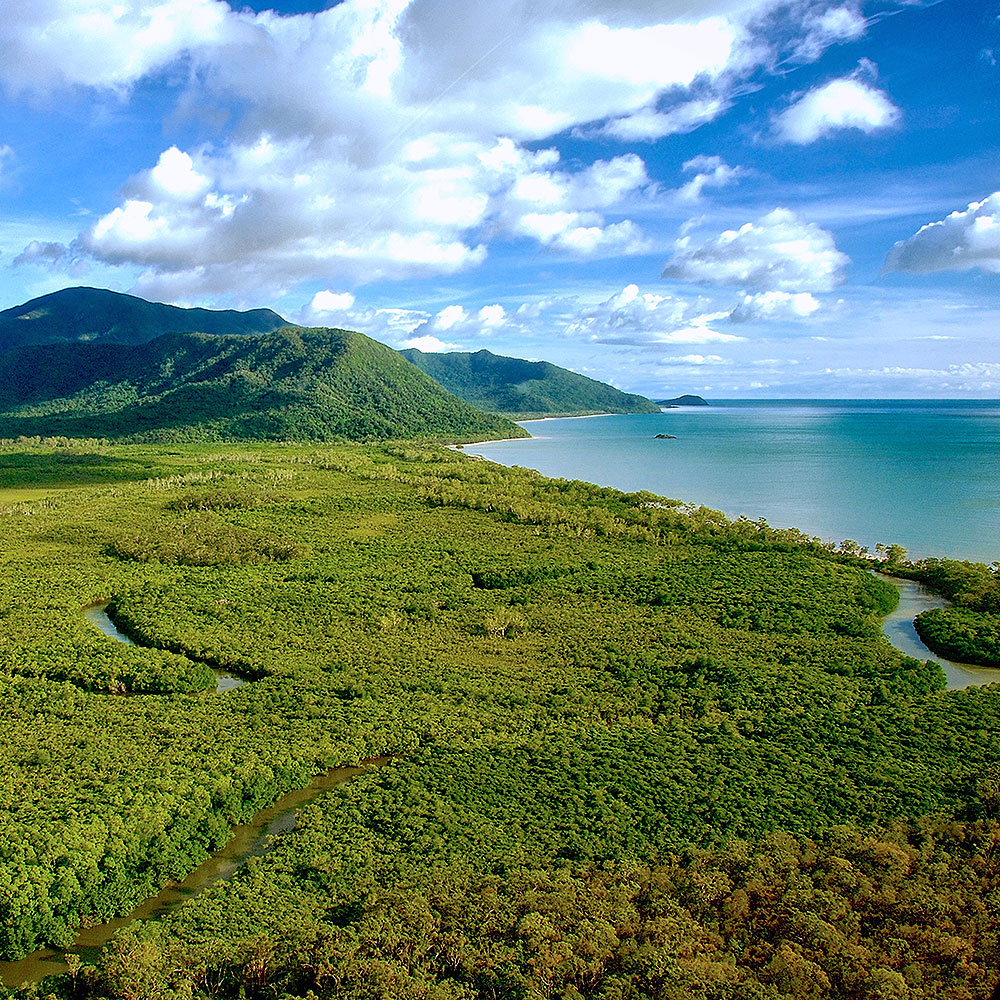
- Lush rainforest: The Daintree Rainforest and surrounding national parks are vibrant, green and full of tropical growth.
- Warm swimming conditions: Sea temperatures are generally at their highest, making reef trips and water activities appealing when conditions permit.
- Tropical scenery: Cloud formations, rainforest-covered mountains and flowing rivers create excellent opportunities for landscape photography.
There are also considerations. High humidity can make outdoor activities feel more strenuous, heavy rain can affect road access and tour schedules, and rough seas may cause reef trips to be delayed or cancelled.
Tropical cyclone risk is greatest during the warmer months, particularly within the broader cyclone season. If visiting between November and April, keep your itinerary flexible, check weather forecasts and warnings, and consider having indoor attractions or alternative activities available in case the weather changes.
The Dry Season: May to October
The dry season is generally the most popular period for visiting Cairns. Rainfall drops considerably, humidity is usually lower, and daytime temperatures are warm without the persistent heat and humidity of summer.
May and June mark the transition into cooler, drier conditions. July and August are typically the coolest months, with average daytime highs around 26°C and overnight lows around 17°C. These are comfortable conditions for exploring the region’s natural attractions.
By September and October, temperatures rise again and sunshine hours increase. October can feel noticeably hotter as the region transitions back towards summer.
The dry season is particularly suitable for:
- Great Barrier Reef tours: These months often offer favourable conditions for reef trips, although wind, swell and visibility still vary from day to day.
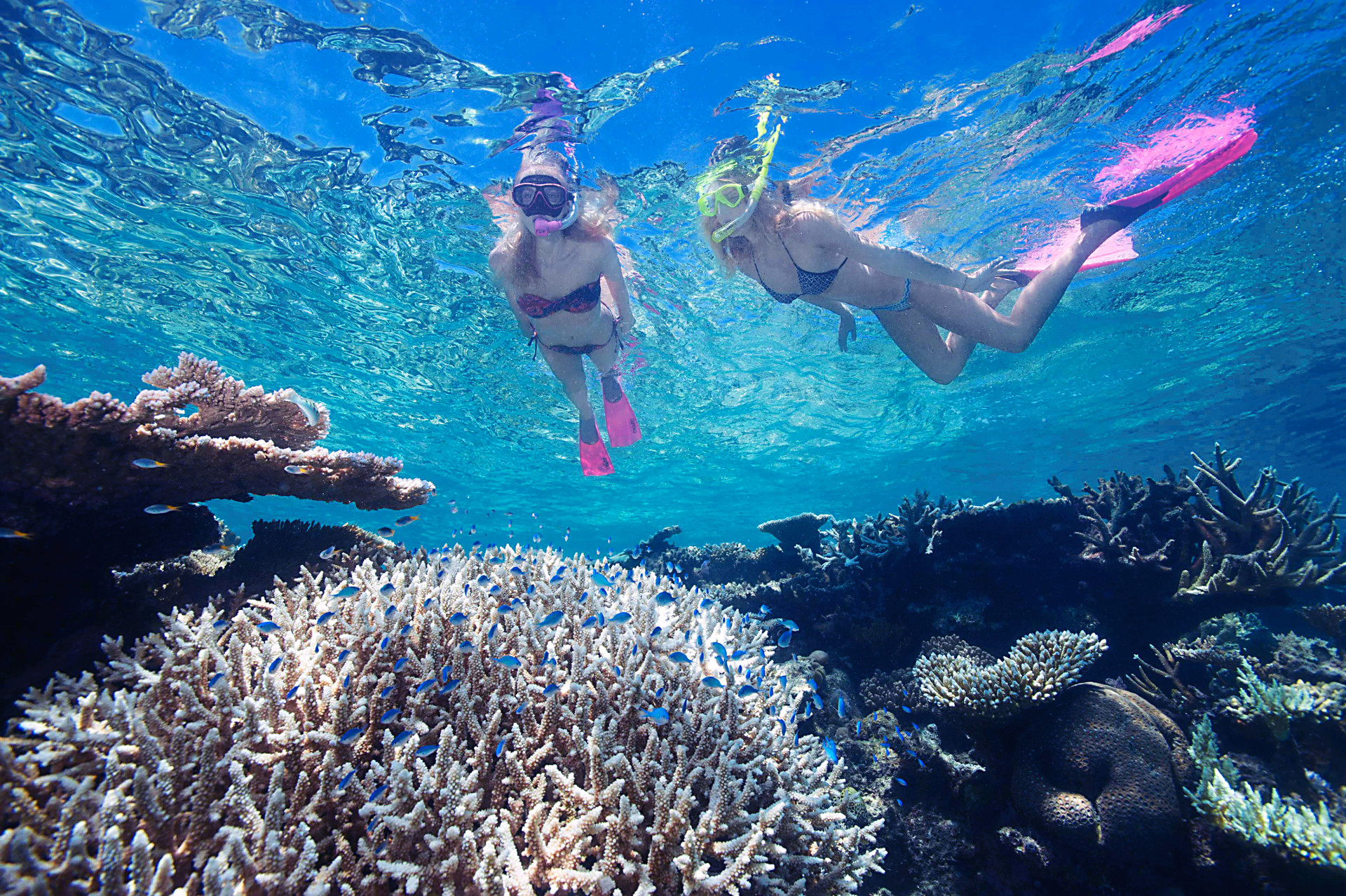
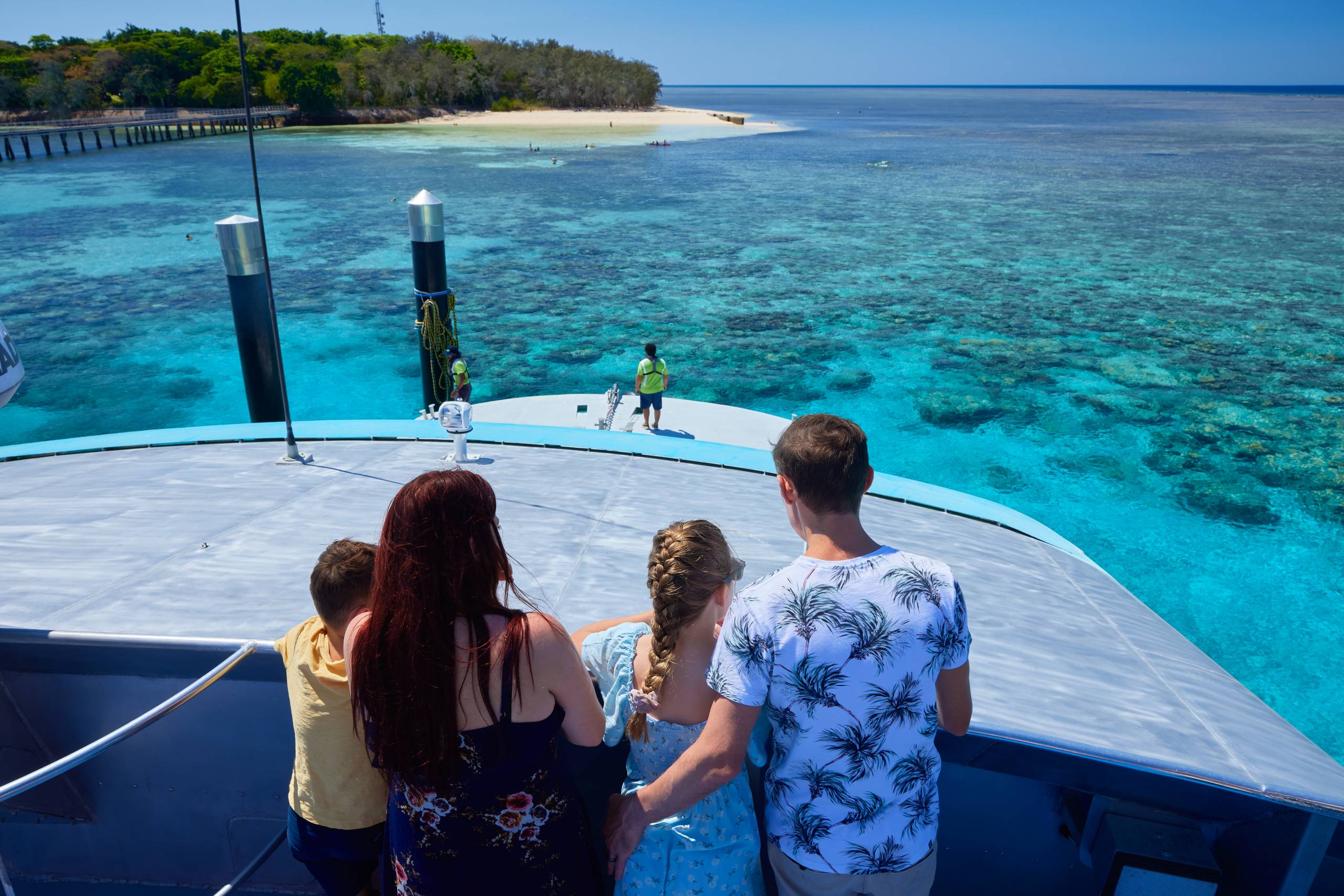
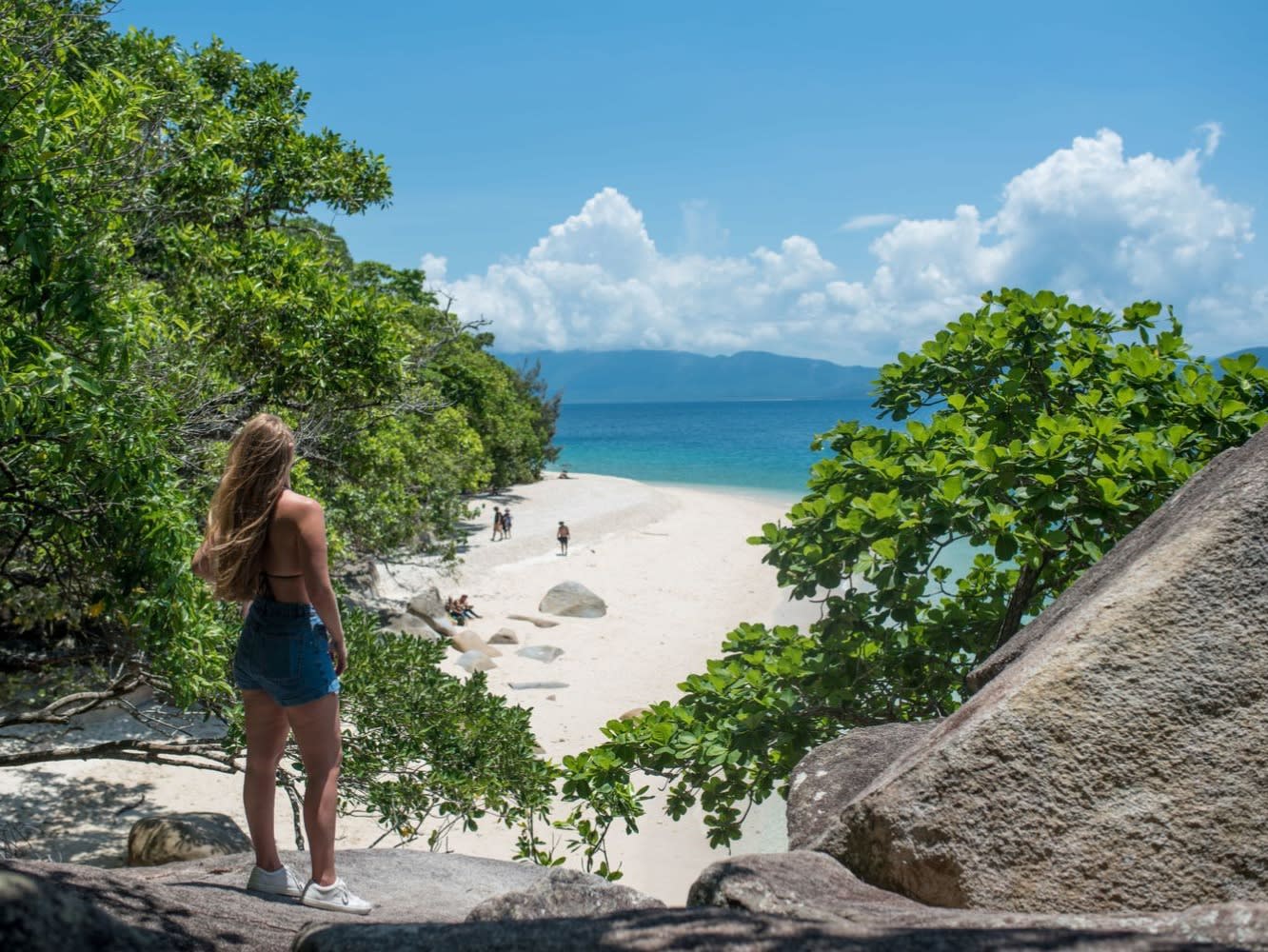
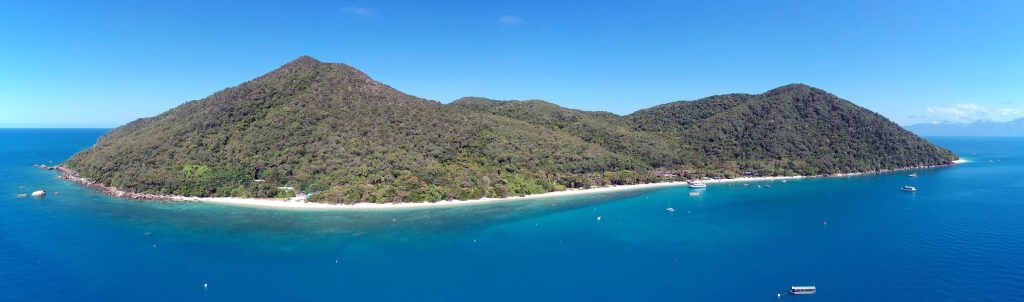
- Island visits: Fitzroy Island and Green Island are popular for snorkelling, swimming, walking and relaxing on tropical beaches.
- Rainforest adventures: Explore Kuranda, the Daintree Rainforest and Cape Tribulation in generally drier conditions.
- Walking and outdoor activities: Lower humidity and comfortable winter temperatures make longer walks and sightseeing more enjoyable for many visitors.
- Scenic flights and photography: Clearer conditions can provide excellent views of the reef, coastline and surrounding mountains.
Tropical winter is mild rather than cold. You will generally still be comfortable in shorts and light clothing during the day, although a light jacket may be useful on cooler evenings or when travelling into the Tablelands.
How Does the Weather Vary Across Tropical North Queensland?
Although Cairns is a useful reference point, the weather can change considerably as you travel along the coast, inland to the Tablelands or north into Cape York.
Cairns and the Coastal Region
Cairns has warm temperatures throughout the year, with humid summers and generally drier winters. Coastal breezes can provide some relief from the heat, while the wet season brings heavy rainfall and occasional thunderstorms. The city is a convenient base for exploring the Great Barrier Reef, tropical islands and surrounding rainforest attractions.
The Daintree Rainforest and Cape Tribulation
The Daintree’s tropical rainforest environment receives abundant moisture and can be very humid, particularly during summer. Rainfall can be substantial, and conditions may differ from those in Cairns on the same day. Wet-season rain makes the rainforest especially lush, but visitors should check road conditions and travel advice during periods of heavy rain.
The Atherton Tablelands
The Atherton Tablelands sit at a higher elevation than Cairns and can be cooler, particularly at night during winter. The region offers waterfalls, crater lakes, rainforest walks and fertile countryside. Pack an extra layer if you plan to visit early in the morning or stay overnight.
Port Douglas and the Northern Beaches
Port Douglas and the beaches north of Cairns share a similar tropical climate, with warm summers and milder, drier winters. Coastal weather, sea breezes and local showers can vary, so check the forecast for your particular destination rather than relying solely on Cairns observations.
Is Cairns Hot All Year Round?
Cairns is warm throughout the year, but there is a noticeable difference between the seasons.
During summer, daytime temperatures commonly reach 30°C to 32°C, with warm nights and high humidity. The combination of heat and moisture can make the temperature feel higher than the thermometer suggests.
Winter is much milder. Daytime temperatures are generally around 25°C to 27°C during June, July and August, while overnight temperatures can fall to around 17°C to 18°C. Frost is not a normal feature of Cairns city itself.
Spring and autumn are transitional periods. April and May usually bring gradually decreasing rainfall, while September and October see temperatures and humidity building towards summer.
For many visitors, this means Cairns is a suitable destination throughout the year, with the choice of when to visit depending on preferred activities, tolerance for humidity and the type of tropical scenery they want to experience.
What Is the Best Time to Visit Cairns?
The best time depends on what you want to do during your holiday.
| Your Priority | Months to Consider |
|---|---|
| Drier weather and comfortable temperatures | May to August |
| Great Barrier Reef sightseeing | May to October, subject to daily sea conditions |
| Lush rainforest and spectacular waterfalls | January to April, particularly after rainfall |
| Warm ocean temperatures | November to April |
| Longer sunshine hours | August to November |
| Tropical island holidays | May to October for generally drier conditions |
| Wildlife and nature experiences | Year-round, with seasonal differences |
These are general recommendations, not guarantees. Reef visibility, wind, swell, rainfall and road conditions can vary considerably, even within the same month.
Does It Rain All Day During Cairns’ Wet Season?
No. Although the wet season receives considerably more rainfall, many days still have sunny periods. Rain may arrive as a brief but intense shower, a thunderstorm in the afternoon or evening, or more persistent rain during an unsettled weather system.
However, it is important not to assume that every wet-season shower will be short. Tropical lows, monsoon conditions and cyclones can produce prolonged heavy rain, flooding and travel disruptions.
If you are visiting during summer, plan outdoor activities with some flexibility and keep an eye on weather warnings. Attractions such as Cairns Aquarium can provide an alternative on rainy days, while reef and rainforest tours may operate differently depending on conditions.
Tropical Cyclones and Severe Weather
Tropical cyclones are a natural feature of the north Queensland climate. Australia’s cyclone season officially runs from November to April, although the timing and severity of individual systems vary.
Cairns and the surrounding region can experience damaging winds, heavy rainfall, storm surges and flooding when a cyclone or associated weather system affects the area.
Cyclones do not occur every year in Cairns, and a cyclone warning does not automatically mean the city will experience a direct impact. Nevertheless, travellers should take official warnings seriously.
Before and during your visit:
- Check the Bureau of Meteorology for forecasts, cyclone information and severe weather warnings.
- Follow advice from local authorities, tour operators and accommodation providers.
- Check road closures and flood warnings before driving into the Daintree or other remote areas.
- Be prepared for changes to flights, reef trips and other outdoor activities.
If you are travelling during the wet season, travel insurance that covers relevant disruptions can also be worth considering.
What Is the Water Temperature in Cairns?
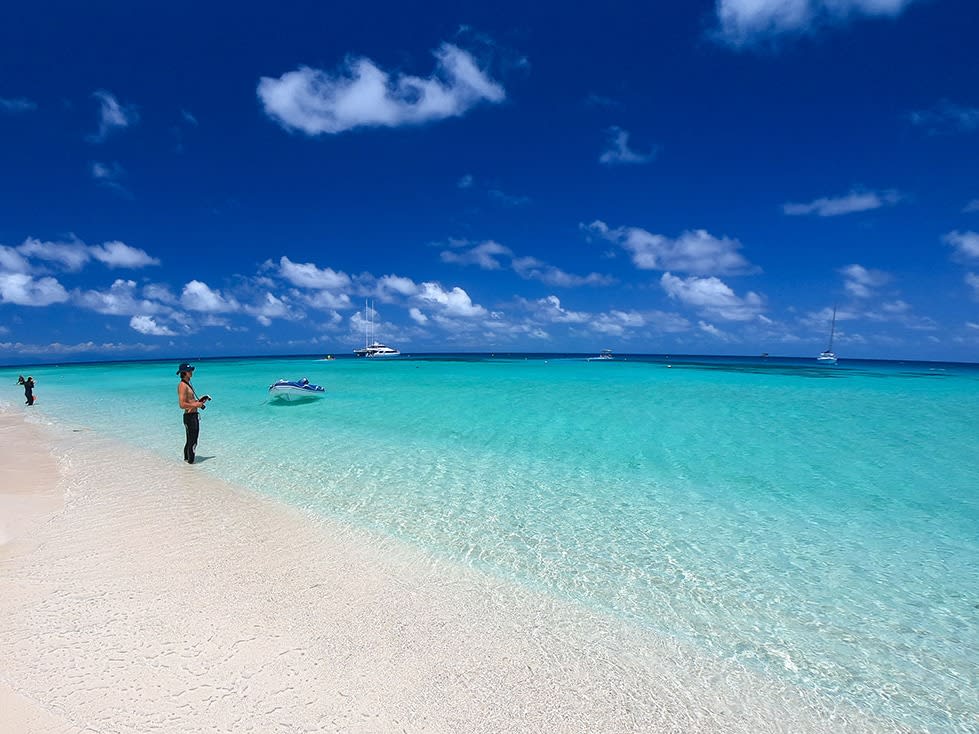
The Coral Sea is warm throughout the year, making reef and island experiences a major attraction in every season. Coastal water temperatures generally range from around 24°C in winter to approximately 29°C in summer, although local conditions vary.
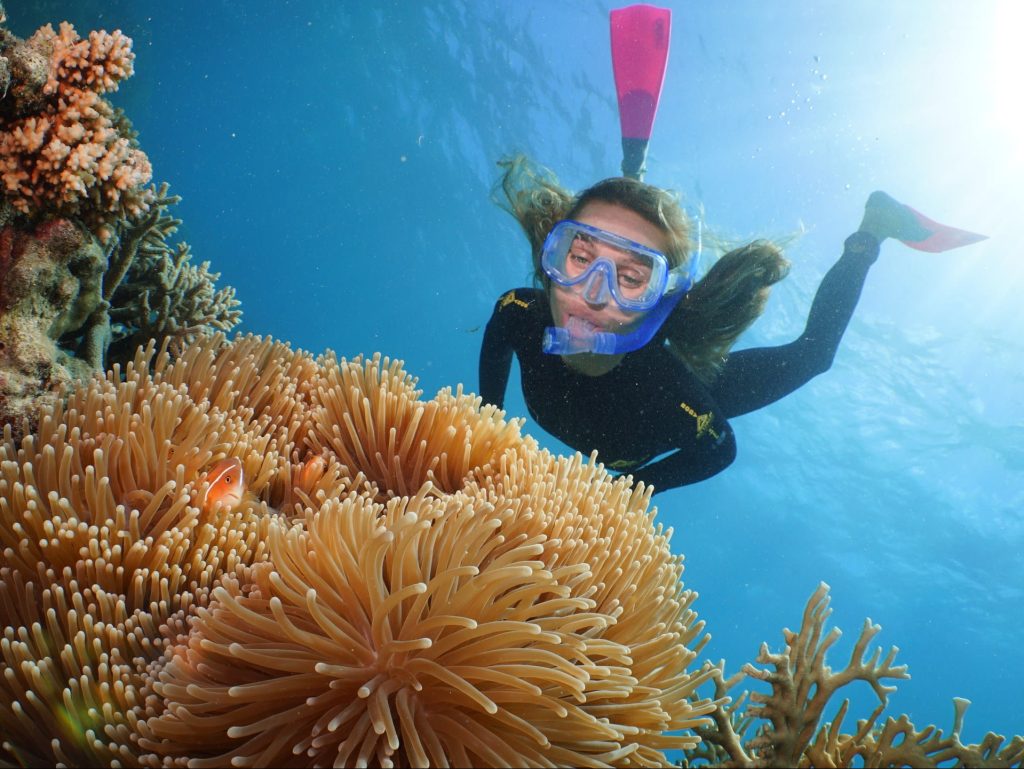
During summer, the sea can feel bath-like, particularly in sheltered bays and shallow coastal areas. In winter, swimming and snorkelling are still popular, but some visitors prefer a wetsuit for longer periods in the water.
Water temperature is only one factor affecting a reef trip. Wind, swell, currents and underwater visibility can be just as important. Conditions at the Outer Great Barrier Reef may also differ from those close to shore.
Marine Stingers and Swimming Safety
Marine stingers, including box jellyfish and Irukandji jellyfish, can be present in tropical north Queensland waters. The risk is generally greatest during the warmer months, commonly November to May, although stingers can occur outside this period.
When swimming or snorkelling:
- Follow local beach signs and lifeguard instructions.
- Use designated swimming enclosures where available.
- Wear a suitable full-body stinger suit when recommended by your tour operator.
- Follow the safety briefing provided on reef and island tours.
A stinger suit can also help protect against sun exposure and minor scrapes while snorkelling.
What Should You Pack for Cairns Weather?
Packing for Cairns is straightforward once you account for the heat, strong tropical sun and possible changes in weather.
- Lightweight, breathable clothing.
- Swimwear and a beach towel.
- High-SPF, reef-conscious sunscreen.
- A wide-brimmed hat and sunglasses.
- Comfortable walking shoes.
- Insect repellent.
- A reusable water bottle.
- A light rain jacket or compact umbrella.
- A light jacket for cooler winter evenings.
- A stinger suit or suitable swimwear for reef activities.
During the wet season, quick-drying clothes and a reliable rain jacket are especially useful. During winter, you will rarely need heavy clothing in Cairns itself, but an extra layer is handy for Tablelands excursions and cooler evenings.
Regardless of the season, take sun protection seriously. The tropical sun can be intense even when cloud cover makes the day feel cooler.
Final Thoughts: Cairns Is a Year-Round Tropical Destination
Cairns and Tropical North Queensland offer something different in every season. The dry season brings generally comfortable temperatures, lower humidity and excellent opportunities for reef trips, island visits and outdoor adventures. The wet season delivers lush rainforests, flowing waterfalls, warm seas and dramatic tropical scenery.
If you prefer the best chance of drier weather, May to October is an excellent starting point for planning a visit. If you love tropical landscapes and don’t mind occasional rain, the warmer months can also be rewarding.
The most important thing is to choose your travel dates around your priorities, remain flexible when the weather changes, and check local forecasts before setting out. With the right preparation, Cairns can be an unforgettable destination at any time of year.
For current forecasts and warnings, visit the Bureau of Meteorology. For holiday ideas, reef tours, rainforest adventures and local attractions, explore Visit Cairns.