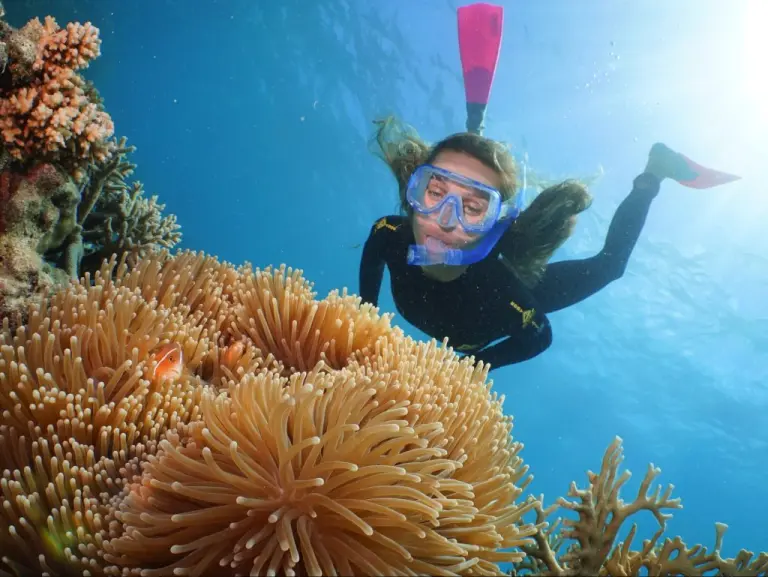
A visit to Cairns wouldn’t be complete without exploring the magnificent Great Barrier Reef. One of the world’s most famous natural attractions, the reef stretches for more than 2,300 kilometres along the Queensland coastline and is home to an extraordinary variety of coral, tropical fish, turtles, rays and other marine life.
Cairns is one of the best departure points for exploring the reef, with a huge range of cruises and experiences available. Whether you’re a keen snorkeller, an experienced scuba diver, travelling with young children or simply want to see the reef without getting wet, there’s a trip to suit you.
However, with so many different boats, islands, pontoons and reef locations to choose from, deciding which tour is right for you can be a little confusing.
Having spent many years working aboard Great Barrier Reef boats, we understand the differences between the various reef experiences and what makes each one suitable for different visitors. This guide will help you understand your options and choose the best Cairns reef tour for your holiday.
What Are the Different Types of Cairns Reef Tours?
Most Cairns reef trips fall into three main categories:
- Island tours: Visit beautiful tropical islands such as Green Island or Fitzroy Island, where you can enjoy beaches, rainforest walks, swimming and snorkelling.
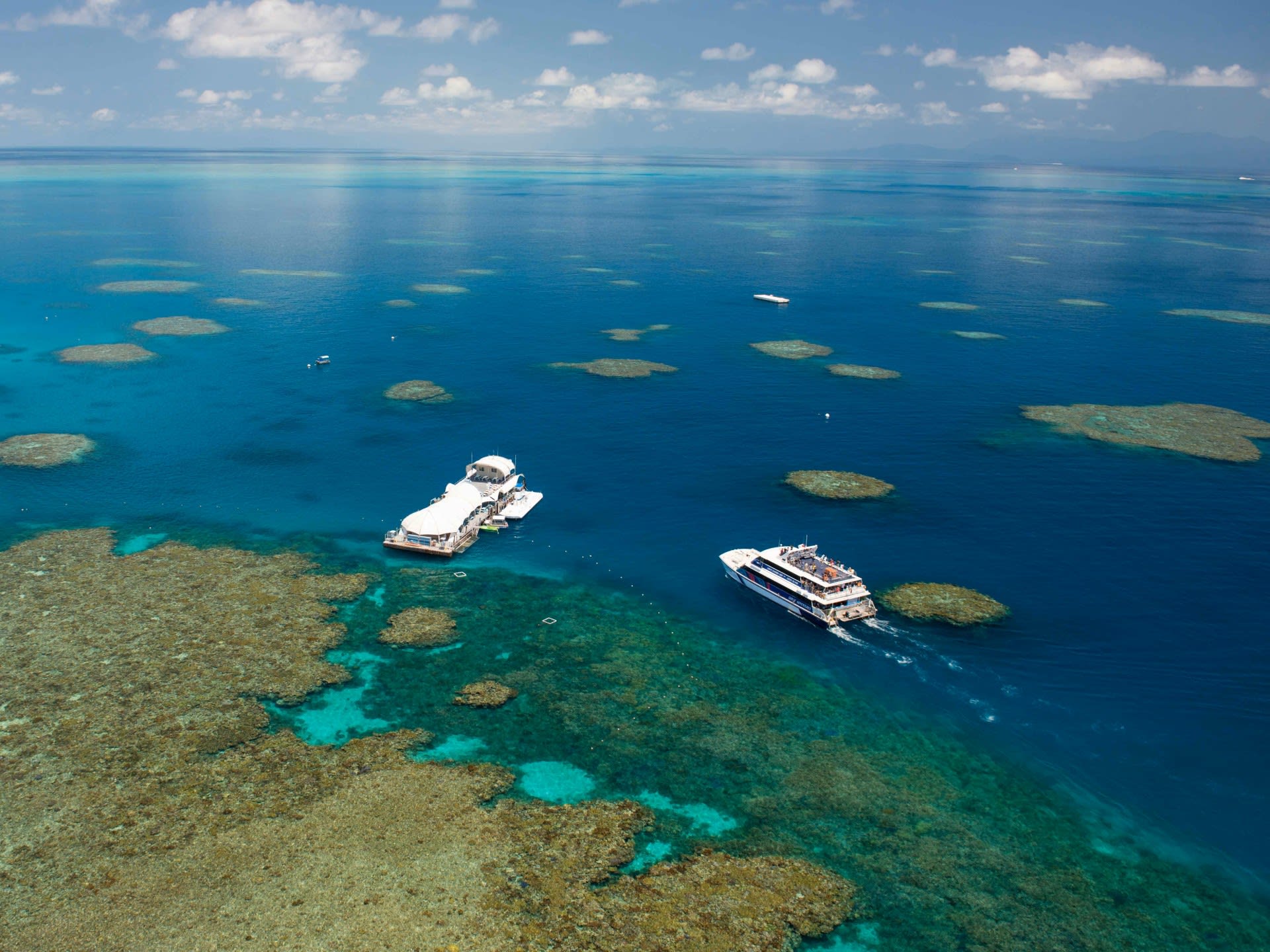
- Outer reef pontoon tours: Travel to a large floating platform located on the outer Great Barrier Reef. These offer a wide range of activities, including snorkelling, glass bottom boats, semi-submersibles and underwater observatories.
- Outer reef boat tours: Travel directly to one or more outer reef locations aboard a smaller vessel. These trips are generally focused on snorkelling and scuba diving.
Each option has its advantages, and the best choice depends on who is travelling, how confident everyone is in the water and what you want to experience.
1. Island and Pontoon Reef Tours – Ideal for Families and Non-Swimmers
If you’re travelling with young children, elderly family members or people who aren’t confident swimmers, an island or pontoon tour is often the best option.
These experiences offer more flexibility than a traditional outer reef boat trip, as there are usually activities available for both swimmers and non-swimmers.
Island Tours – A Relaxed Day in the Tropics
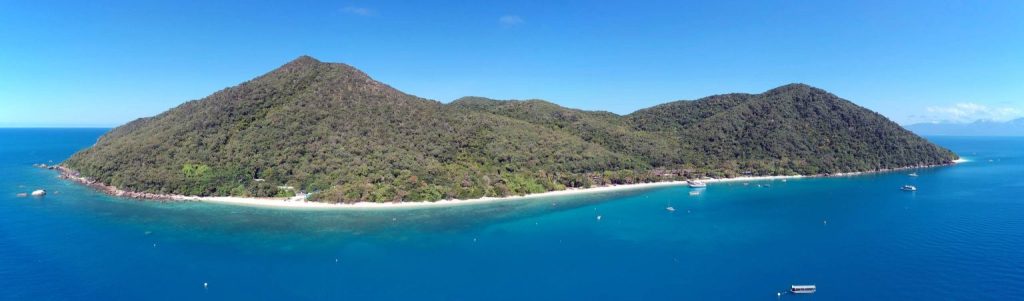
Cairns has several beautiful tropical islands within easy reach, with Green Island and Fitzroy Island being two of the most popular.
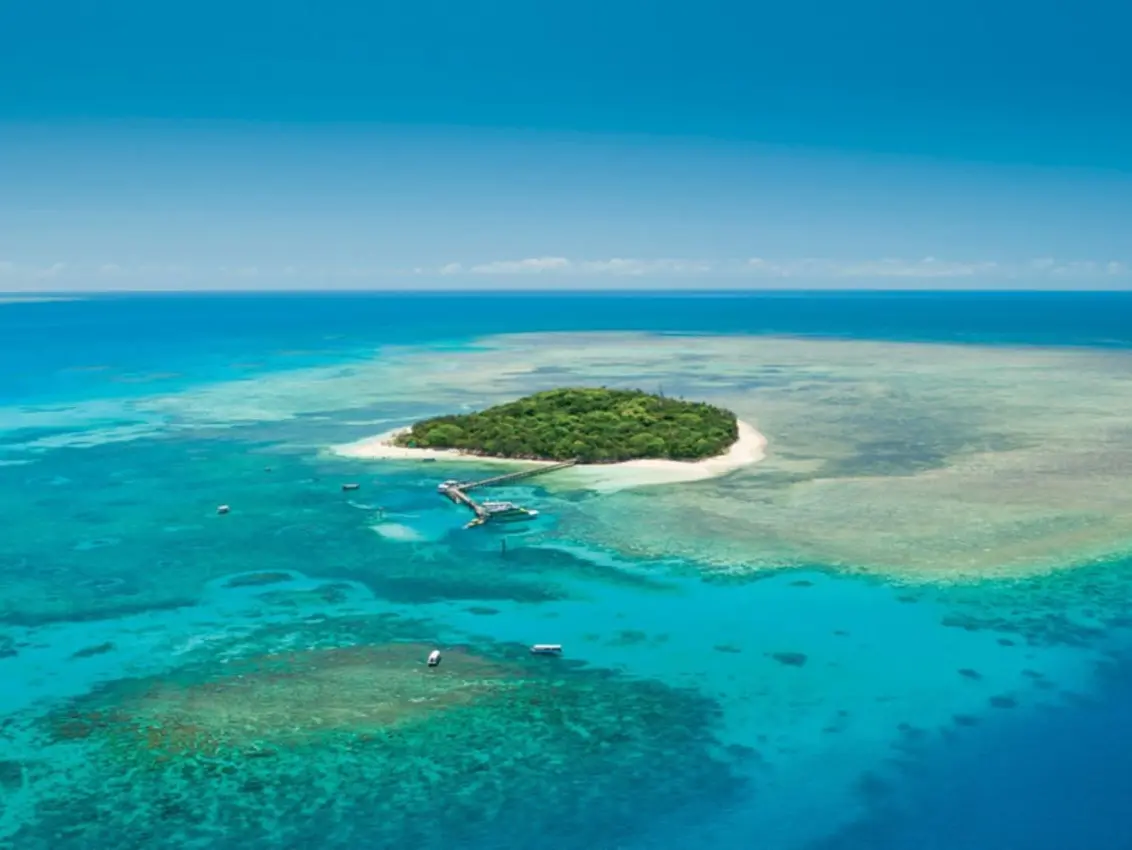
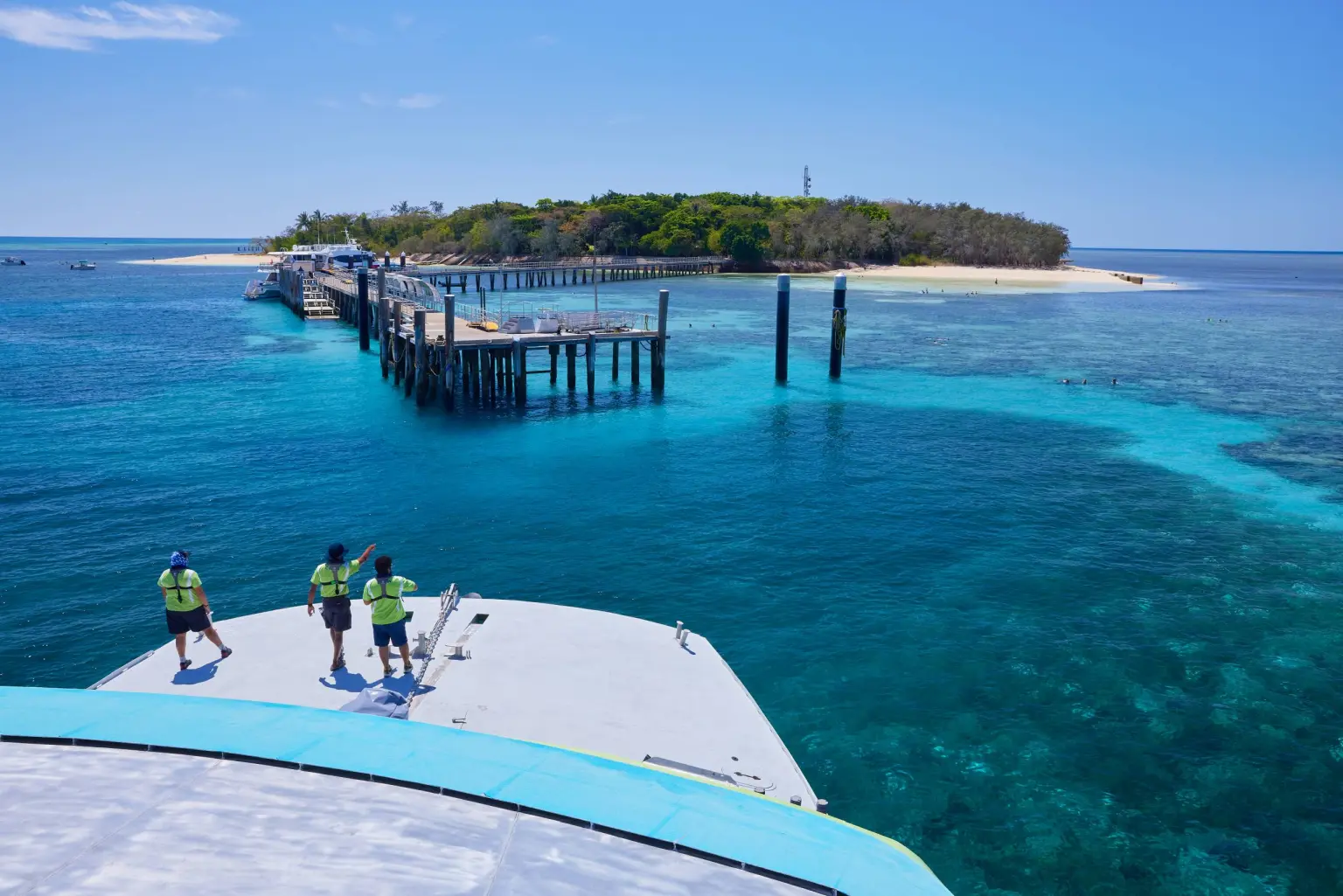
Green Island is a small coral cay surrounded by beautiful reef waters. It has sandy beaches, rainforest walking tracks and facilities for visitors. You can spend the day swimming, snorkelling, relaxing on the beach or joining a glass bottom boat tour.
Green Island is particularly suitable for families and visitors who enjoy having somewhere to walk around and explore. It’s also a good option for people who don’t want to spend the entire day on a boat.
Fitzroy Island is a larger, more rugged tropical island with rainforest walking trails, secluded beaches and excellent opportunities for swimming and snorkelling. The famous Nudey Beach is a favourite with visitors, while the island’s walking tracks provide spectacular views of the surrounding coastline.
Both islands offer a wonderful combination of tropical scenery and reef activities, although the experience is quite different. Green Island has more of a compact coral cay feel, while Fitzroy Island is larger and more natural, with rocky shorelines and rainforest-covered hills.
Outer Reef Pontoon Tours – A Floating Activity Centre
If your main priority is seeing the Great Barrier Reef but you have people in your group who don’t swim, an outer reef pontoon is an excellent choice.
A pontoon is a large floating platform permanently moored at a selected reef location. Rather than spending the day aboard the cruise vessel, you transfer onto the pontoon when you arrive and use it as your base for the day.
Pontoon tours generally offer a much wider range of activities than a standard reef boat, making them particularly popular with families and mixed-age groups.
Depending on the operator and package, activities may include:
- Snorkelling: Explore the coral gardens and tropical marine life directly from the pontoon.
- Glass bottom boat tours: View the reef through a glass panel in the bottom of a boat without getting wet.
- Semi-submersible tours: Sit below the waterline and enjoy underwater views of the coral and marine life from the comfort of a covered vessel.
- Underwater observatories: View the reef through large underwater windows from inside the pontoon.
- Scenic helicopter flights: Enjoy spectacular aerial views of the reef, coral formations and surrounding ocean.
- Seawalker and helmet diving: Walk along the seabed wearing a special helmet that supplies air, allowing you to see the reef without needing to swim or put your face underwater.
- Scuba diving: Introductory and certified diving options are available on selected pontoon trips.
Some operators also offer underwater scooter experiences, such as Scuba-Doo, which allow participants to explore underwater with an instructor.
Another advantage of pontoon tours is the size of the vessels used to reach them. These are generally larger, more stable boats, which can be a more comfortable option for visitors concerned about seasickness.
Who are island and pontoon tours best suited to?
- Families with young children
- Visitors who don’t swim or aren’t confident in the water
- Groups with a mixture of swimmers and non-swimmers
- Older travellers who prefer a wider range of activities
- Visitors who want to see the reef without snorkelling or scuba diving
- People who enjoy having facilities and activities available throughout the day
One particularly popular option is a combined Green Island and outer reef pontoon trip. This allows you to enjoy the island in the morning before continuing to an outer reef pontoon for the afternoon. It’s a great way to experience two different environments in one day.
2. Outer Reef Boat Tours – Best for Snorkellers and Divers
If everyone in your group is a confident swimmer and is comfortable being in deeper water, a dedicated outer reef boat tour may be the best choice.
These cruises generally carry fewer passengers than the large pontoon vessels and focus on taking visitors directly to some of the spectacular outer reef locations.
Many operators visit two or three different reef sites during the day, giving you the opportunity to explore different coral formations and marine environments.
Unlike an island or pontoon tour, most dedicated reef boats don’t have glass bottom boats or underwater observatories. The emphasis is on getting into the water and experiencing the reef up close.
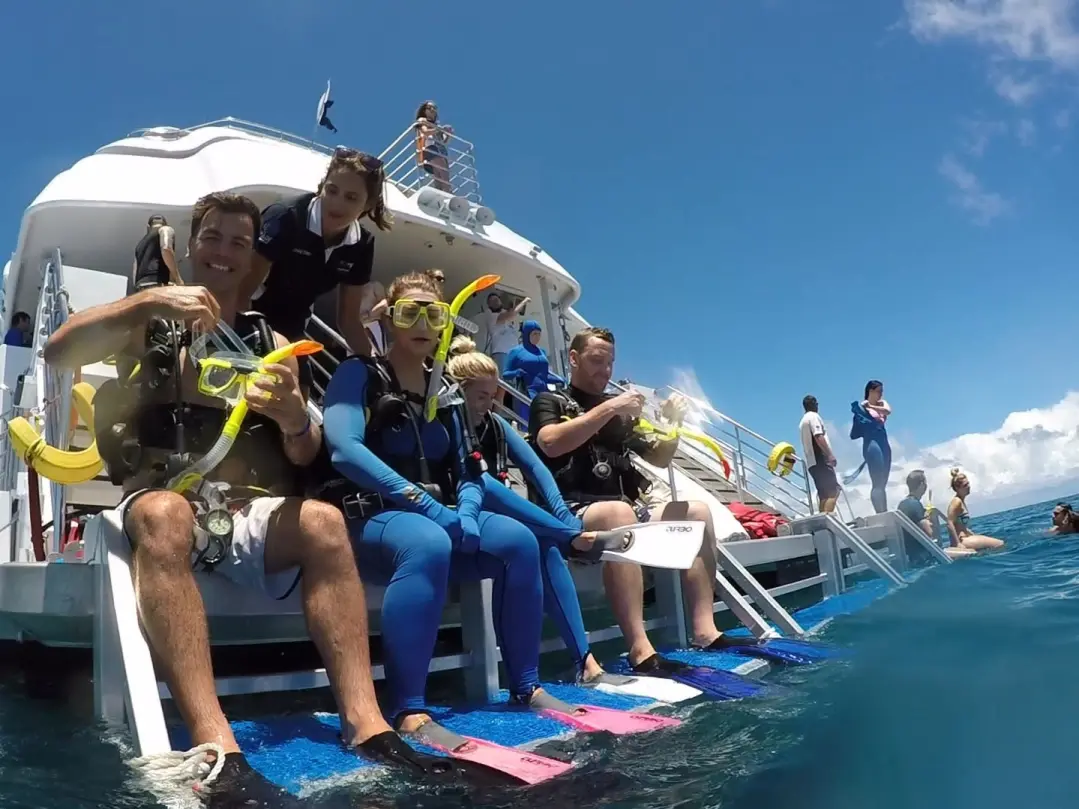
You’ll generally enter the water from the back or side of the vessel, with snorkelling equipment provided and flotation devices available on many trips.
Why Choose an Outer Reef Boat?
The outer Great Barrier Reef is home to some spectacular coral gardens and an amazing variety of marine life. Dedicated reef boats are designed to take you directly to these locations.
Depending on the day’s itinerary, you may visit two or three different reef sites, each offering something a little different.
You could find yourself snorkelling over colourful coral gardens, watching schools of tropical fish, spotting giant clams or keeping an eye out for turtles and reef sharks.
For visitors who enjoy being in the water, these trips offer a fantastic opportunity to experience the reef without spending much of the day on land or at a pontoon.
Who are outer reef boat tours best suited to?
- Confident swimmers
- Regular snorkellers
- Visitors wanting to experience multiple reef locations
- Introductory scuba divers
- Certified scuba divers
- Couples and groups who enjoy an active day on the water
These tours may be less suitable for very young children, non-swimmers or people who aren’t comfortable in deep water. If your group includes a mixture of confident swimmers and non-swimmers, an island or pontoon option may be a better fit.
3. Snorkelling the Great Barrier Reef
You don’t need to be a scuba diver to enjoy the Great Barrier Reef. In fact, snorkelling is one of the most popular ways to experience it.
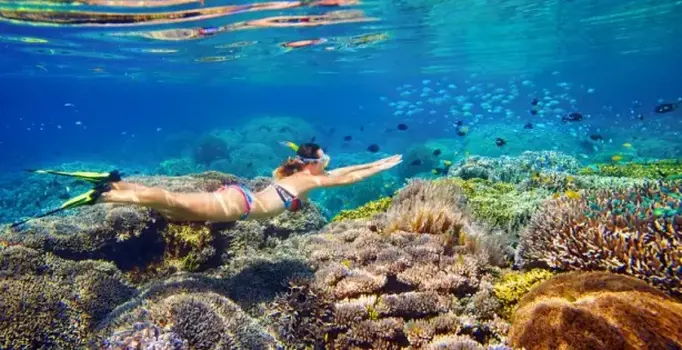
The water around Cairns is home to a remarkable variety of marine life, and many of the reef’s most colourful coral gardens can be enjoyed from just below the surface.
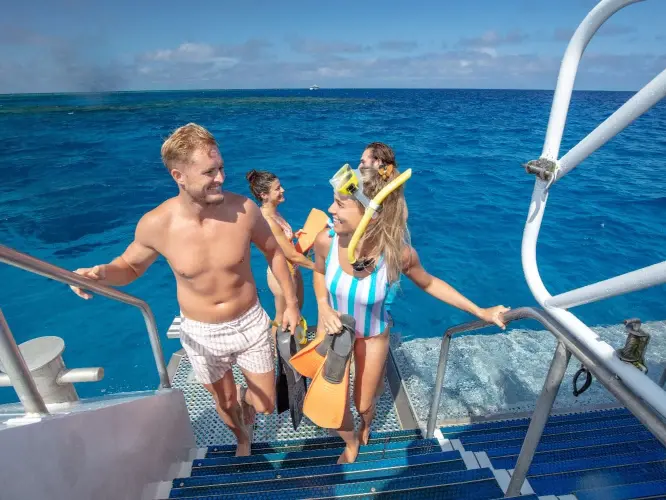
Most reef tours provide snorkelling equipment, including a mask, snorkel and fins. Some also provide flotation vests or other flotation equipment for visitors who would like extra support in the water.
If you’re not a confident swimmer, let the crew know before entering the water. They can explain the available safety equipment and help you decide whether snorkelling is suitable for you.
What Will You See While Snorkelling?
Every reef location is different, but you may encounter:
- Colourful parrotfish, butterflyfish and angelfish
- Clownfish living among anemones
- Giant clams
- Sea turtles
- Reef sharks and rays
- Beautiful hard and soft coral formations
- Schools of tropical fish moving across the reef
Marine life is wild, so sightings can never be guaranteed. However, even a short snorkel can reveal an incredible underwater world.
If you’re new to snorkelling, a guided snorkel tour can be a great way to get started. An experienced guide can show you where to look and help you feel more comfortable in the water.
4. Scuba Diving – Experience the Reef Beneath the Surface
For an even closer look at the Great Barrier Reef, consider adding a scuba dive to your day.
You don’t need to be a qualified diver to try scuba diving. Many Cairns reef operators offer introductory dives for beginners, giving you the chance to explore underwater with a qualified instructor.
Introductory Scuba Diving
Introductory diving is designed for people who have never scuba dived before. After a briefing and equipment demonstration, you’ll enter the water with an instructor who guides you through the experience.
It’s a fantastic way to discover the reef from a completely different perspective.
Minimum age requirements, medical declarations and other conditions apply, and these can vary between operators. Some medical conditions, medications or recent medical procedures may affect whether you can dive, so it’s important to check the requirements with the operator before booking.
Certified Scuba Diving
If you’re already a qualified diver, Cairns offers an excellent selection of day trips and liveaboard cruises.
Certified divers can explore deeper reef environments, swim-throughs, coral formations and a greater variety of underwater habitats.
Many outer reef operators offer dedicated diving packages, while some also provide the opportunity to complete multiple dives at different reef locations during the day.
For keen divers, there are also multi-day liveaboard trips departing from Cairns. These allow you to spend several days exploring more remote reef locations, with multiple dives and, on selected trips, night diving.
5. Which Reef Tour Is Best for Families with Children?
Choosing the right reef trip for a family is particularly important, as children of different ages can have very different abilities and interests.
For families with younger children, Green Island and the larger outer reef pontoons are often excellent choices.
Green Island offers beaches, swimming, walking tracks and glass bottom boat tours, so children can enjoy the island even if they aren’t ready to snorkel.
Pontoon tours are also popular with families because they provide a variety of activities in one location. Children who are confident swimmers can snorkel, while other family members can enjoy the semi-submersible, glass bottom boat or underwater observatory.
For families with older children and teenagers who are confident swimmers, a dedicated outer reef boat can be a fantastic experience.
Before booking, consider:
- The minimum age for the cruise and individual activities
- Whether children need to be confident swimmers
- Whether flotation equipment is available
- How long the boat journey takes
- Whether there are shaded areas and facilities
- Whether the tour offers activities for non-swimmers
It’s also worth considering the length of the day. Some reef cruises involve a full day away from Cairns, which may be tiring for very young children.
6. Worried About Seasickness?
Seasickness is one of the most common concerns people have when booking a Great Barrier Reef cruise.
The journey from Cairns to the reef can take anywhere from around 45 minutes to well over an hour, depending on the vessel and destination. Conditions vary, and the ocean can become choppy even on an otherwise beautiful day.
If you’re concerned about seasickness, there are a few things worth considering.
Choose a larger vessel: Larger catamarans and pontoon cruise vessels are generally more stable than smaller boats.
Consider an island tour: Green Island and Fitzroy Island are closer to Cairns than many outer reef locations. Once you arrive, you can get off the boat and enjoy the island.
Stay outside if possible: Fresh air and looking towards the horizon can help some people feel more comfortable.
Avoid travelling on an empty stomach: Follow the operator’s advice about meals before departure.
Consider seasickness medication: If you are prone to motion sickness, speak with a pharmacist or healthcare professional about suitable options before your trip. Some medications can cause drowsiness.
If seasickness is a major concern, let us know when enquiring. We can help you compare the different vessels and journey times.
7. What Is the Difference Between the Inner Reef and Outer Reef?
You’ll often hear reef tours described as either inner reef or outer reef trips.
The inner reef generally refers to reef areas closer to the mainland and islands, while the outer reef is further offshore and includes many of the well-known reef locations visited by Cairns day cruises.
Both areas offer beautiful coral and marine life, but the experience can differ depending on the specific location, weather, water conditions and time of year.
Outer reef trips are popular because they can access a wide range of reef environments and locations, often with excellent opportunities for snorkelling and diving.
However, don’t assume that one location will always have better coral or marine life than another. Reef conditions change naturally, and the best site for the day can depend on the weather and sea conditions.
The crew and skipper select suitable locations based on the conditions and operational requirements.
8. What Should You Take on a Cairns Reef Tour?
Most day cruises provide the main equipment you’ll need for snorkelling, and many include meals and refreshments. However, there are a few things you should bring to make your day more comfortable.
We recommend packing:
- Swimwear – it’s easiest to wear this underneath your clothes.
- Towel – useful after swimming and snorkelling.
- Sunscreen – choose a reef-conscious product and follow the operator’s advice.
- Hat and sunglasses – the tropical sun can be very strong.
- A change of clothes – handy for the journey back to Cairns.
- Camera or waterproof phone case – for capturing your reef experience.
- Any personal medication – particularly if you need seasickness medication.
- A light jacket – it can be cooler on the boat, especially with wind or air conditioning.
It’s also a good idea to bring a little cash or a payment card for optional extras, such as additional activities, drinks or photographs.
Always check your chosen operator’s inclusions before departure, as equipment, meals and optional activities vary between cruises.
9. When Is the Best Time to Visit the Great Barrier Reef?
The Great Barrier Reef can be visited throughout the year, and every season has its own appeal.
Cairns has a tropical climate with two main seasons: the warmer, wetter summer season and the cooler, drier winter season.
Winter – June to August
Winter is one of the most popular times to visit Cairns. Days are generally sunny, humidity is lower and conditions are often excellent for boating, snorkelling and diving.
Water temperatures are cooler than in summer, but still comfortable for many visitors, particularly with a wetsuit or stinger suit.
Spring – September to November
Spring is another excellent time for reef trips. The weather is generally warm, and the water begins to heat up as summer approaches.
Summer – December to February
Summer brings warmer water temperatures and the possibility of excellent reef experiences. It’s also the wet season, so visitors should be prepared for tropical showers, higher humidity and occasional unsettled weather.
Autumn – March to May
Autumn is a transition period as the wet season begins to ease. Conditions can be variable, but there are still plenty of opportunities to enjoy the reef.
What About Stingers?
Marine stingers, including box jellyfish and Irukandji, can be present in tropical Queensland waters, particularly during the warmer months.
Stinger suits are commonly provided or available for hire on reef tours, and visitors should follow the crew’s advice about swimming conditions and protective clothing.
The reef is also visited throughout the year by operators who are experienced in managing local marine conditions. Always follow their safety instructions.
10. How Do I Choose the Best Cairns Reef Tour?
The best reef cruise isn’t necessarily the most expensive or the one with the biggest boat. It’s the one that suits your group, your interests and your confidence in the water.
Here is a quick guide to help narrow down your options.
| Your preference | Tour type to consider |
|---|---|
| Travelling with young children | Green Island or an outer reef pontoon |
| Non-swimmers in your group | Island or pontoon tour with glass bottom or semi-submersible options |
| Confident snorkellers | Dedicated outer reef boat |
| Want to visit several reef locations | Outer reef boat visiting two or three sites |
| Interested in scuba diving | Outer reef boat or pontoon with diving options |
| Worried about seasickness | Larger vessel or closer island destination |
| Want beaches and rainforest walks | Green Island or Fitzroy Island |
| Want a mixture of activities | Outer reef pontoon |
| Keen to spend several days diving | Multi-day liveaboard cruise |
Need Help Choosing Your Cairns Reef Tour?
With so many Great Barrier Reef cruises departing from Cairns, it can be difficult to know which one to choose. Every operator offers something a little different, and the right option for one visitor may not be the best choice for another.
At Visit Cairns, we’ve spent many years working in the local tourism industry and have extensive experience with the reef operators and their tours.
We can help you compare the different cruises, explain what’s included, and find an option that suits your budget, interests and swimming ability.
Whether you’re looking for a family-friendly island experience, an action-packed day of snorkelling, an introductory scuba dive or a multi-day liveaboard adventure, we’re happy to help.
Our advice is free, friendly and unbiased. Get in touch and let us help you find the perfect Great Barrier Reef experience for your Cairns holiday.